
Reversal is one of the simplest transformations a clue setter can use: the information is present, but it becomes intelligible only after the order is reversed. Music made that idea famous through backmasking.
Quick Take
Analysis
Most of us are trained to consume information in the direction it is presented. We read forward, play recordings forward, follow numbered steps upward and assume the creator expects us to keep going the same way. That habit is useful—until direction itself becomes part of the puzzle.
In music, deliberate backward messages provide unusually clean demonstrations of the principle. The important word is deliberate. Human brains are excellent at finding speech-like patterns in noise, so an alleged message heard only after someone tells you what to expect is weak evidence. The best examples are ones whose creators or production history establish that reversal was intentional.
1. “Fire on High” — Electric Light Orchestra
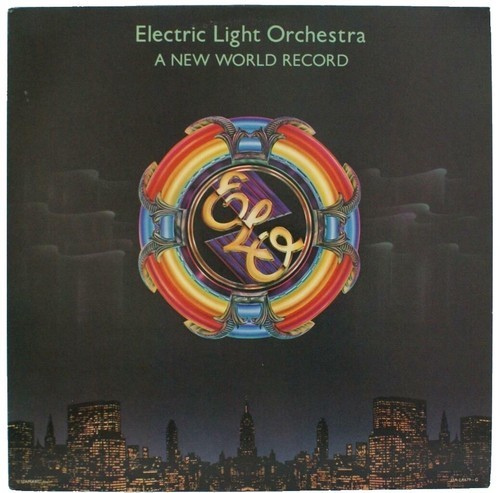
Album: Face the Music (1975)
The opening contains speech that sounds eerie and unintelligible when the record is played normally. Reverse it and the speech becomes a joke about reversal itself: the listener is being told, in effect, that music can be reversed even though time cannot. The band placed it there after earlier accusations that ELO records contained hidden backward messages.
That makes this a particularly useful clue-solving example because the transformation is self-confirming. Once the correct operation is applied, the result is grammatical, relevant and thematically connected to the operation that revealed it.
Clue-solving lesson: When a passage looks or sounds deliberately malformed, test the simplest directional transformation before reaching for an elaborate cipher.
Verify this: Jeff Lynne Song Database — documented backwards message
2. “Empty Spaces” — Pink Floyd
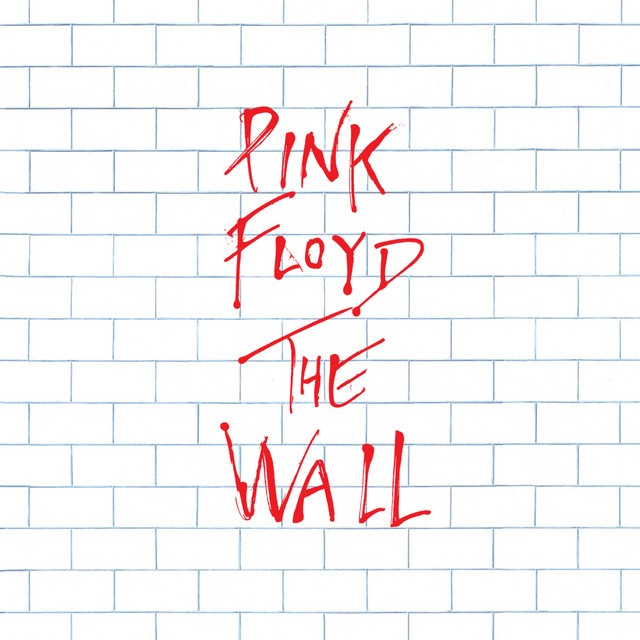
Album: The Wall (1979)
A short stretch of reversed speech appears before the vocal proper. Played backward, it reveals a deliberately planted congratulatory message addressed to the listener who discovered it.
Its value as a puzzle lesson is not the novelty of playing a record backward. It is the confirmation structure: the decoded content acknowledges the act of decoding. Good hidden information often contains some internal sign that you performed the right operation.
Clue-solving lesson: A strong solve often explains both the hidden content and why that particular decoding method was required.
Verify this: Pink Floyd Online — “Empty Spaces” backwards secret message
3. “Amarok” — Mike Oldfield
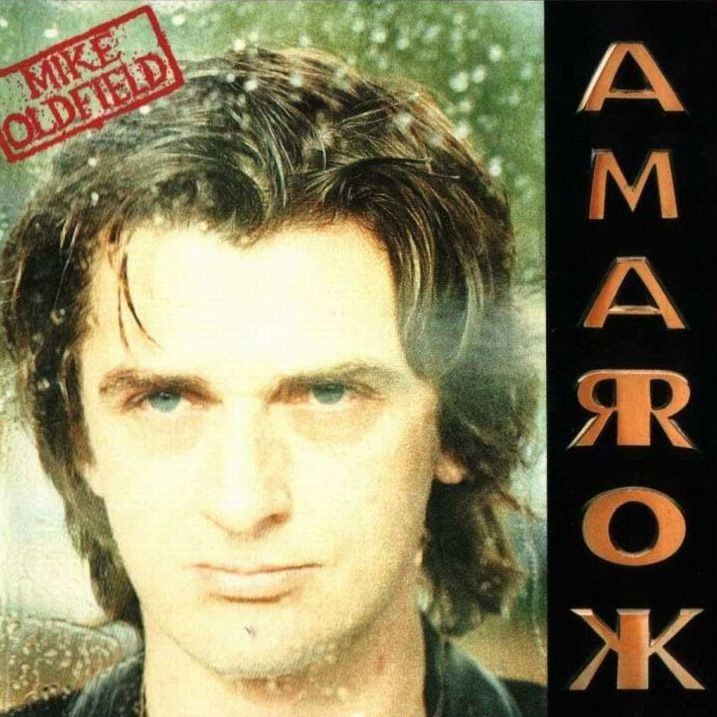
Album: Amarok (1990)
Oldfield hid a Morse-code insult aimed at Virgin founder Richard Branson roughly forty-eight minutes into the one-hour work and offered a £1,000 prize for finding the hidden message. This is not reversal, but it belongs here as a useful contrast: transformation and encoding are different operations.
A solver who decided in advance that every strange sound must be reversed could miss a message that instead requires translation. The lesson is to identify what property appears abnormal before choosing the tool.
Clue-solving lesson: Do not confuse ‘something is hidden’ with ‘I already know how it is hidden.’ Let the anomaly suggest the operation.
Deep Dive
Reversal works because order carries information. That principle extends far beyond audio. A sequence of words can be read bottom-to-top. Coordinates can be traversed in reverse. A route can require retracing. A Caesar shift can be undone rather than applied. Even a photograph can invite a mirror image.
The useful question is not simply “Can I reverse this?” It is “Is there evidence that direction matters?” Words such as back, return, turn, reflect, mirror, reverse, retrace, again, other side and behind can function as ordinary prose while quietly describing an operation.
Confirmation matters. If reversing a string produces another ambiguous string that requires three more unsupported assumptions, the solve is weak. If reversing it immediately produces coherent language that fits the surrounding theme, the transformation has earned its place.
Bottom Line
Reversal is powerful because it hides information without removing it. Everything needed may already be in front of you—just arranged for the wrong direction.
In a treasure hunt, ‘turn back’ may be navigation, wordplay, an instruction to reverse text, or more than one of those at once. The solver’s job is to test the transformation that best explains the evidence.
Sources & References
Keep investigating
Open Question
If a clue repeatedly talks about returning, reflecting or looking behind you, at what point should ‘reverse it’ become a testable instruction rather than just a metaphor?
Community research
Community Contributions
Approved research contributions appear here after review.