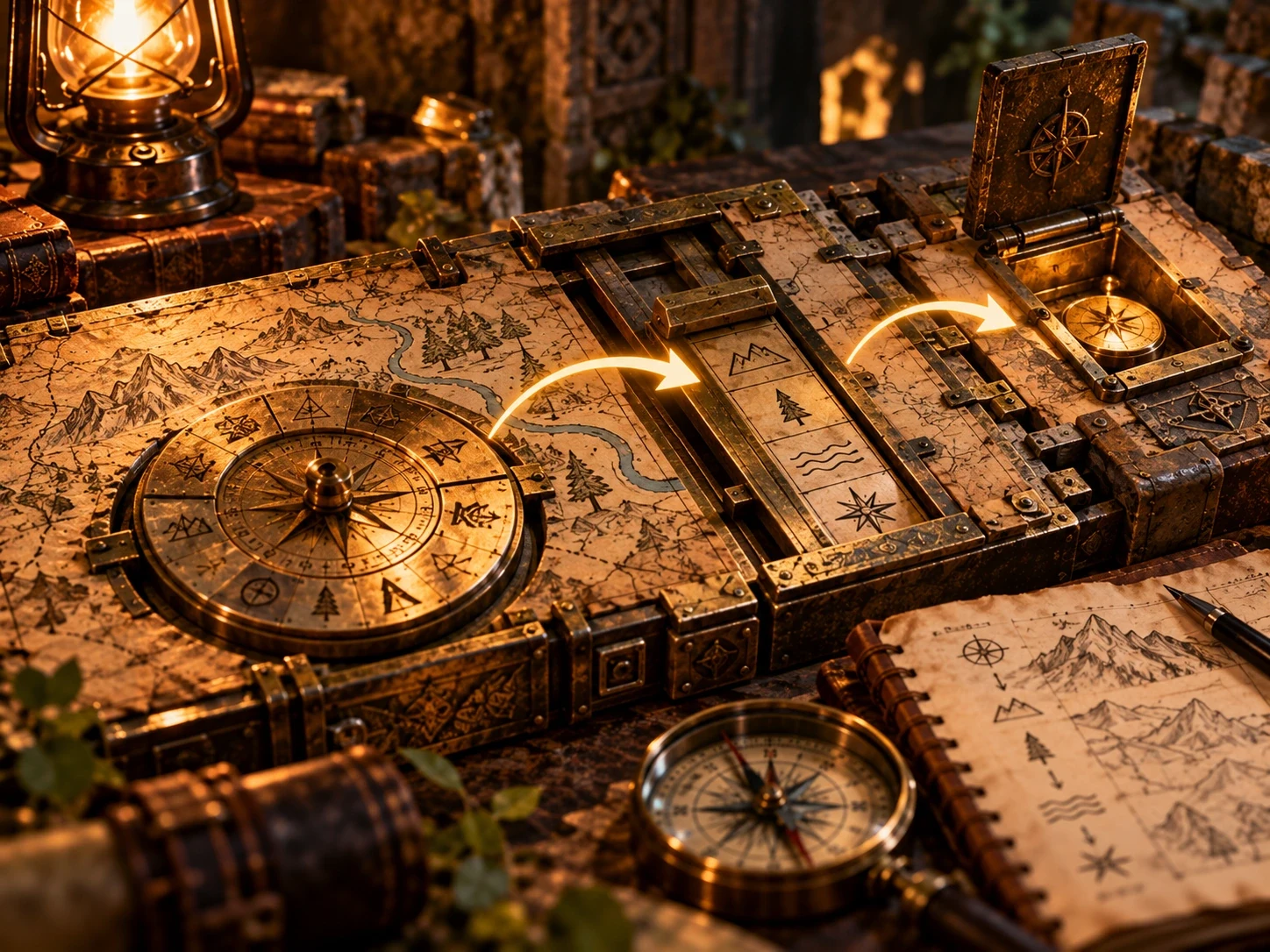
When the “Map” Is Actually a Sequence of Mechanisms
Do not demand a single master map. In chained hunts, the route may be generated progressively, with each stage producing the key for the next.
ReadTopic
Do not demand a single master map. In chained hunts, the route may be generated progressively, with each stage producing the key for the next.
Read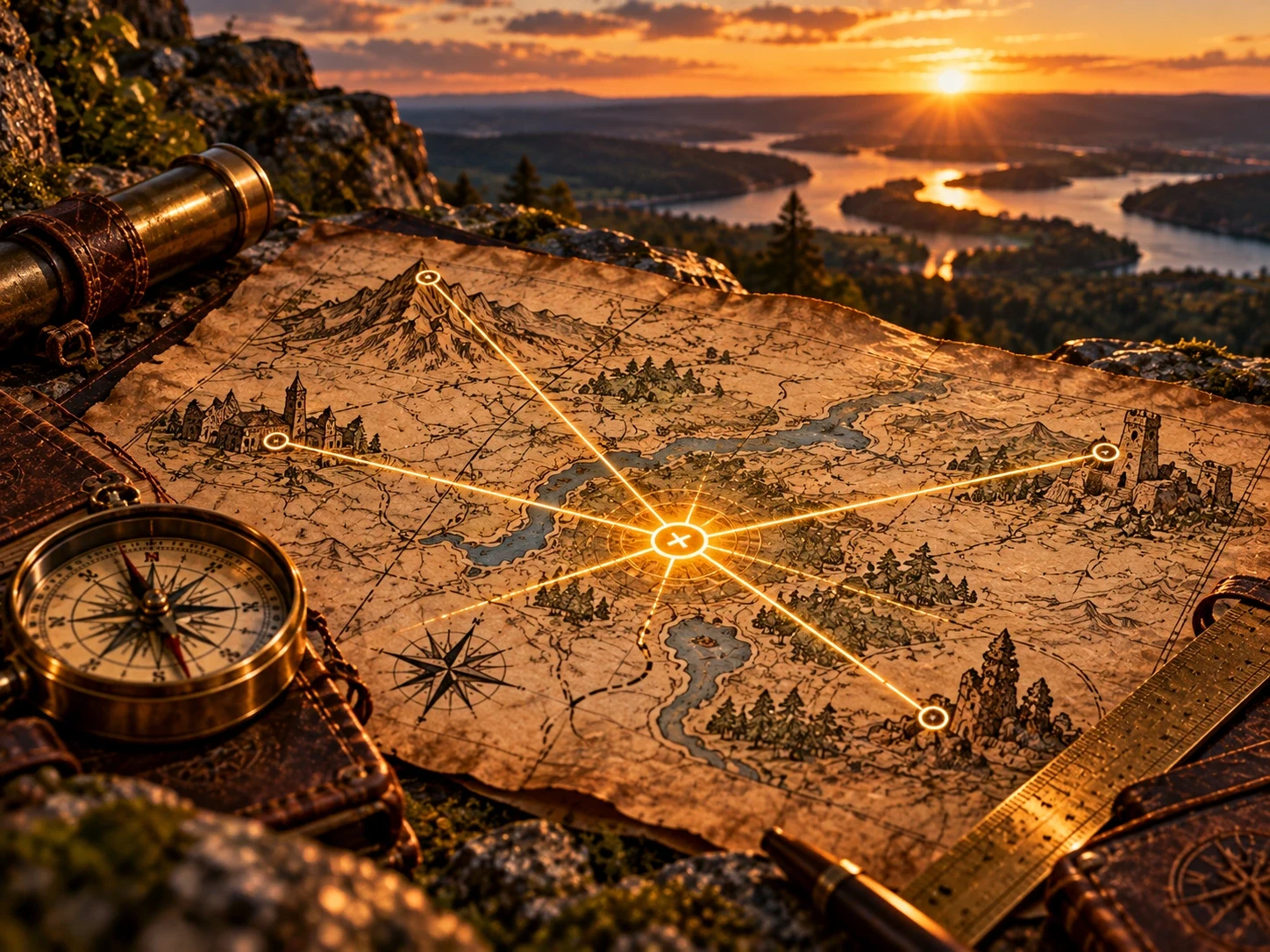
When two clue lines or objects each seem incomplete, test their intersection, overlay, shared axis, or common reference frame.
Read
Urban hunts can have layers. Compare modern maps with older plans, building history, tunnels, foundations, and access points.
Read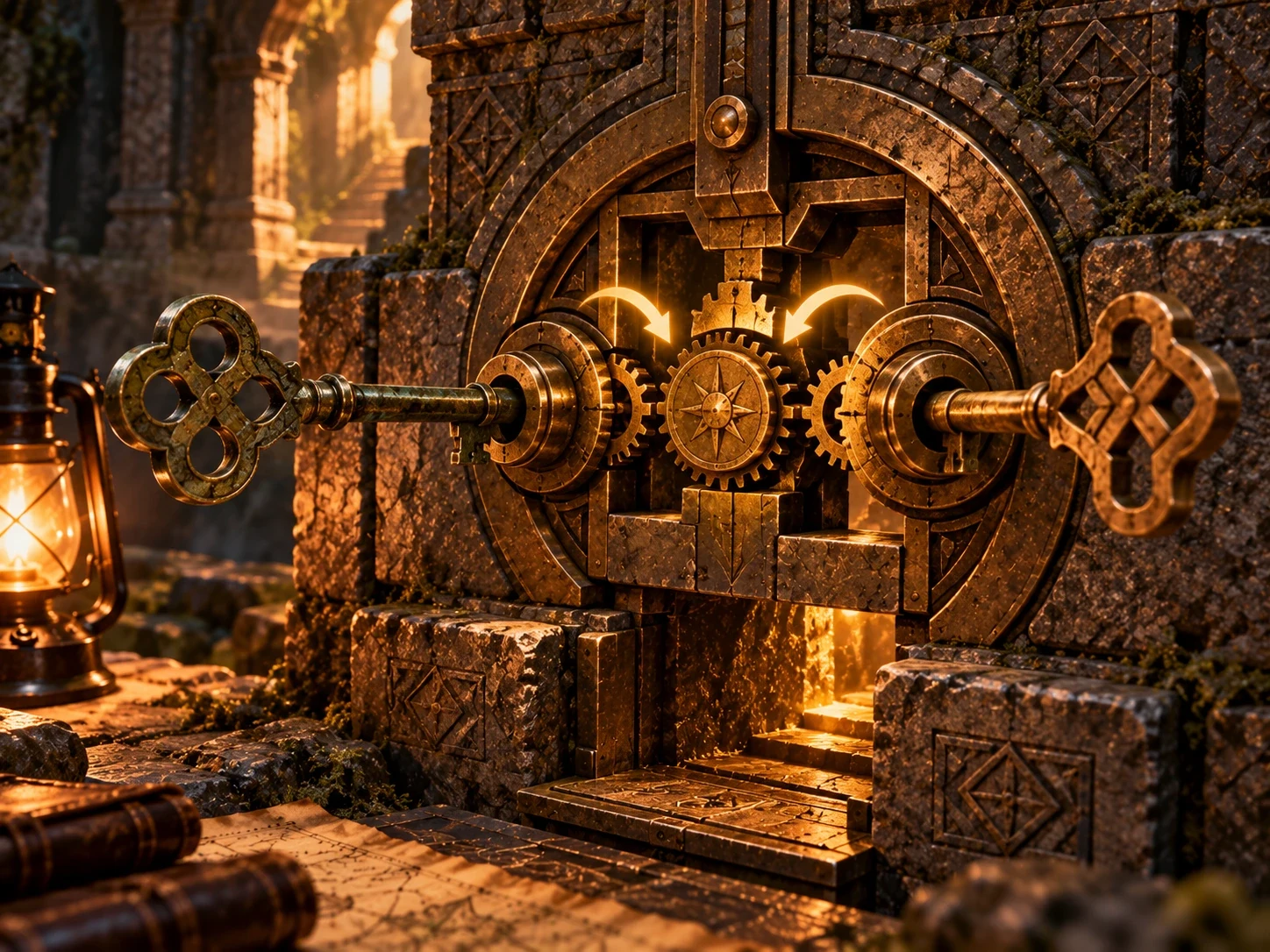
When a hunt gives you matched objects, inspect them for complementary mechanical roles before treating them only as identifiers or collectibles.
Read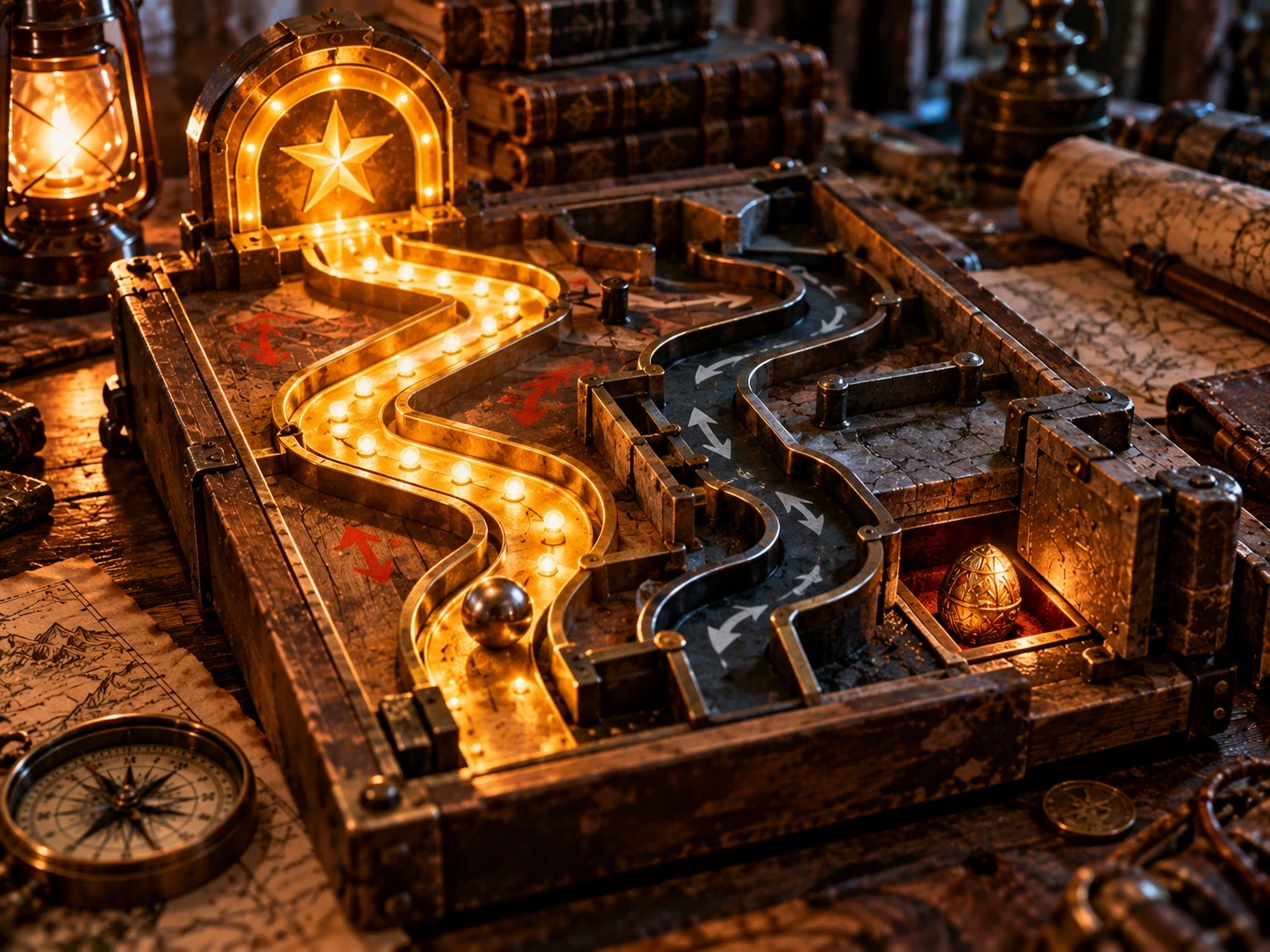
Define the real objective before optimizing. A hunt may reward exploration, discovery, or breaking an apparent rule instead of scoring.
Read
Some puzzles require participation. Once a reference is identified, ask what the solver is expected to do inside that framework.
Read
Creator context can constrain an authored hunt, but use documented facts and never treat biography as permission for unlimited inference.
Read
When everyone fails the same way, test the premise. Ask what rule solvers have assumed that the clue setter never actually stated.
Read
Strong puzzles often use AND logic. Track which conditions must be true simultaneously instead of treating every clue as an independent alternative.
Read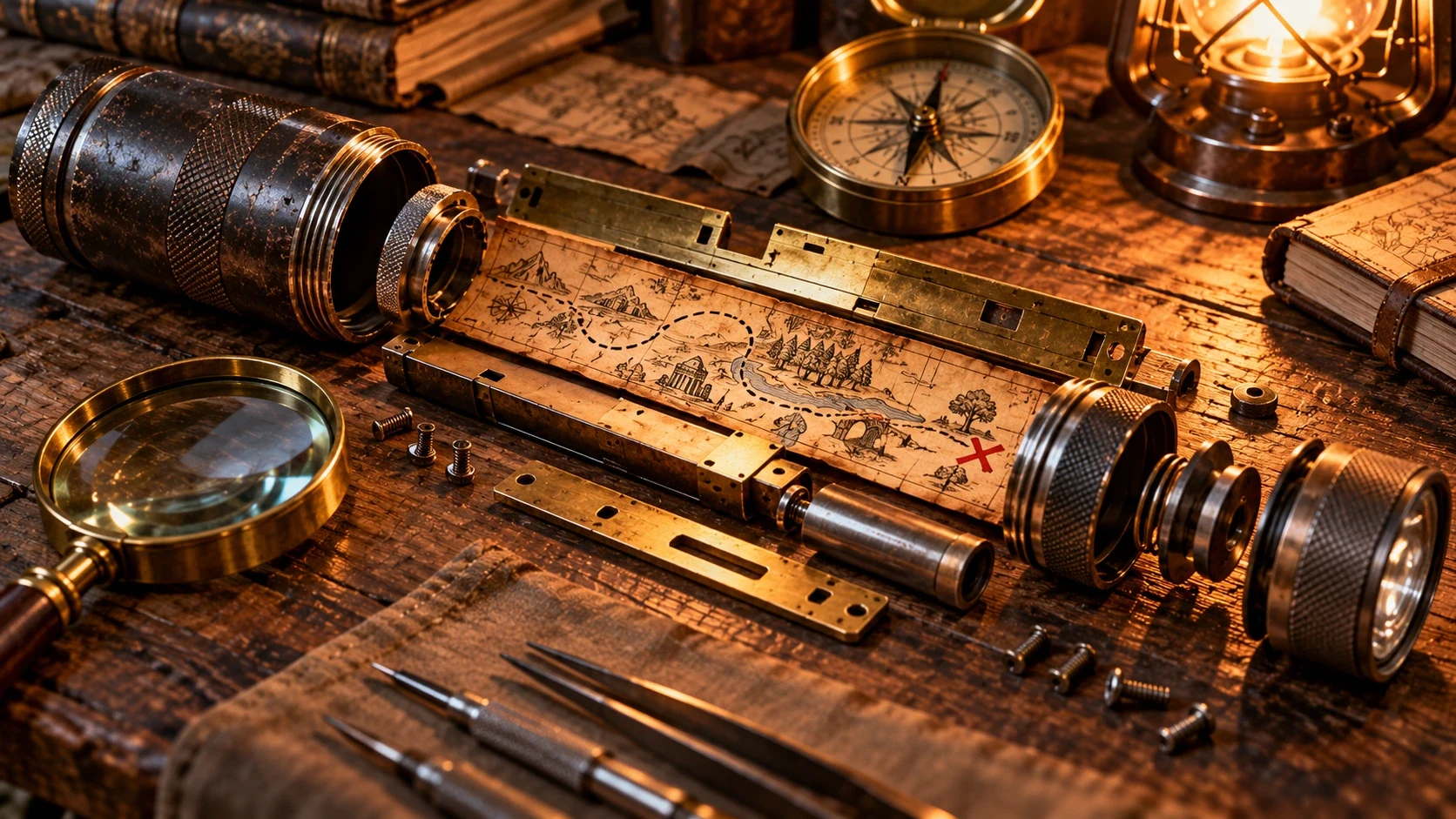
When safe and authorized, test whether a puzzle object is layered. Internal alignment or removable parts may conceal information.
Read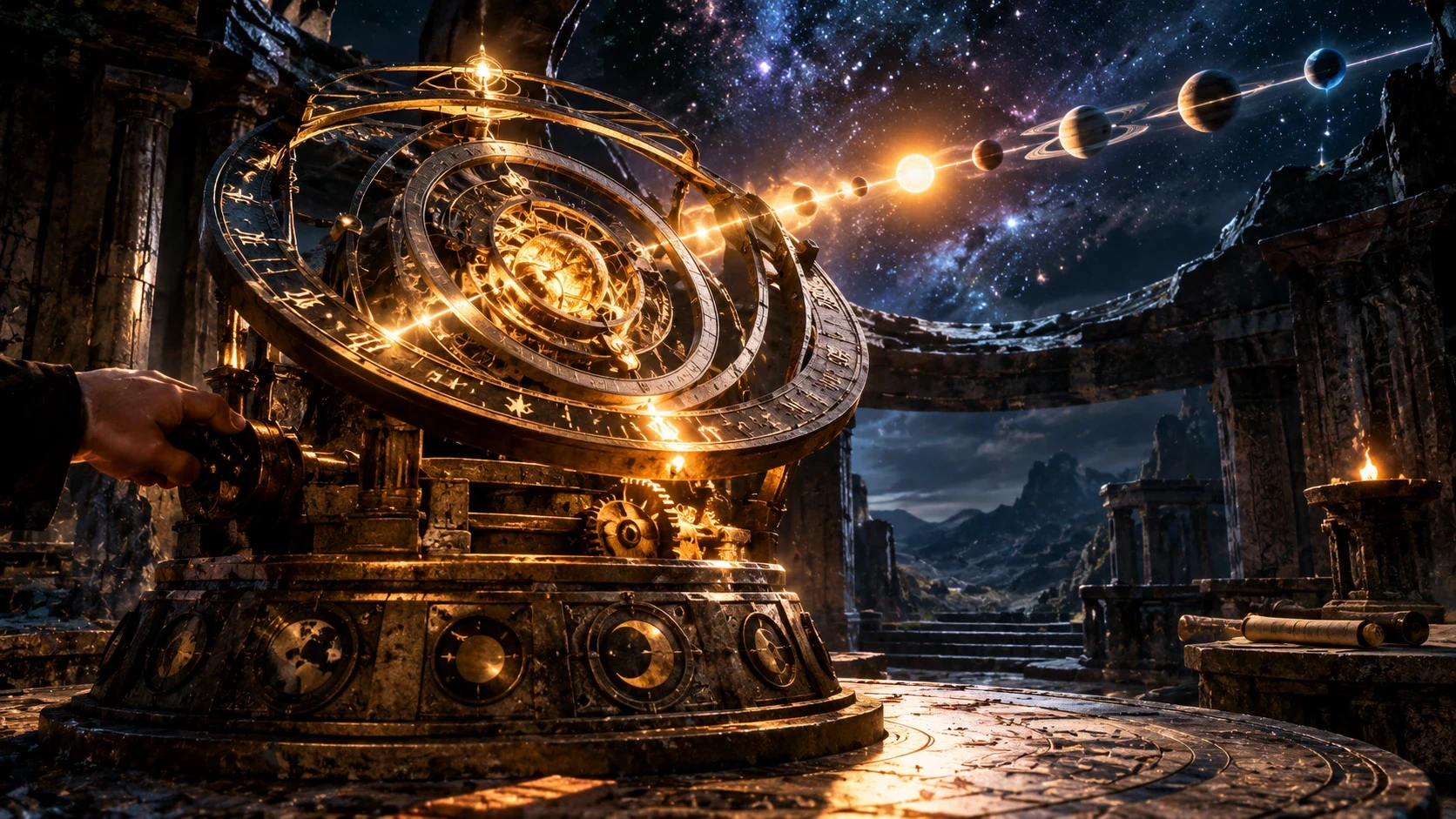
If an object begins, stops, or changes behavior at a specific celestial event, treat timing as part of the mechanism rather than background story.
Read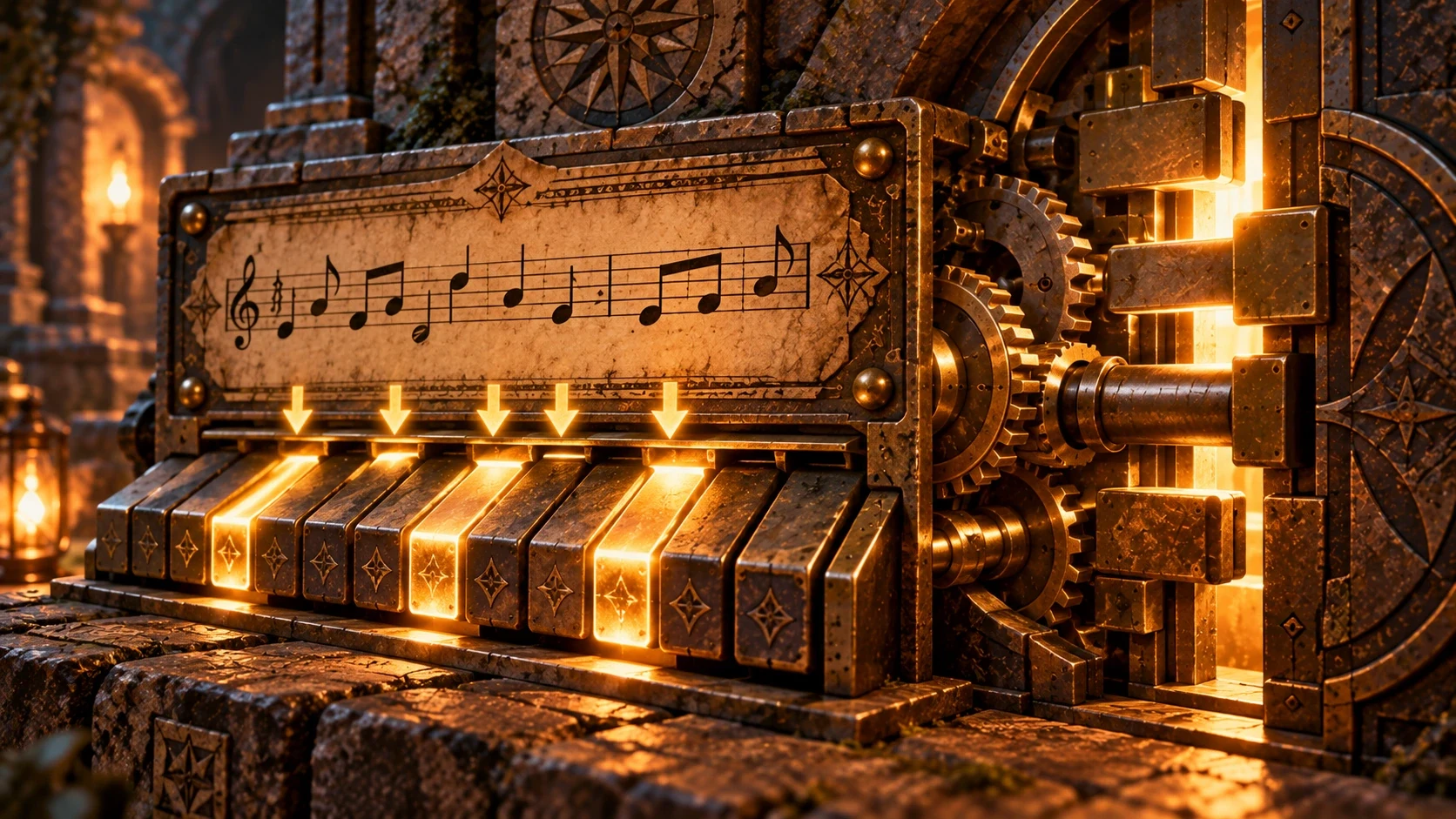
Encoded information may specify an action sequence. Music, rhythm, button order, footsteps, colors, or gestures can function like a combination lock.
Read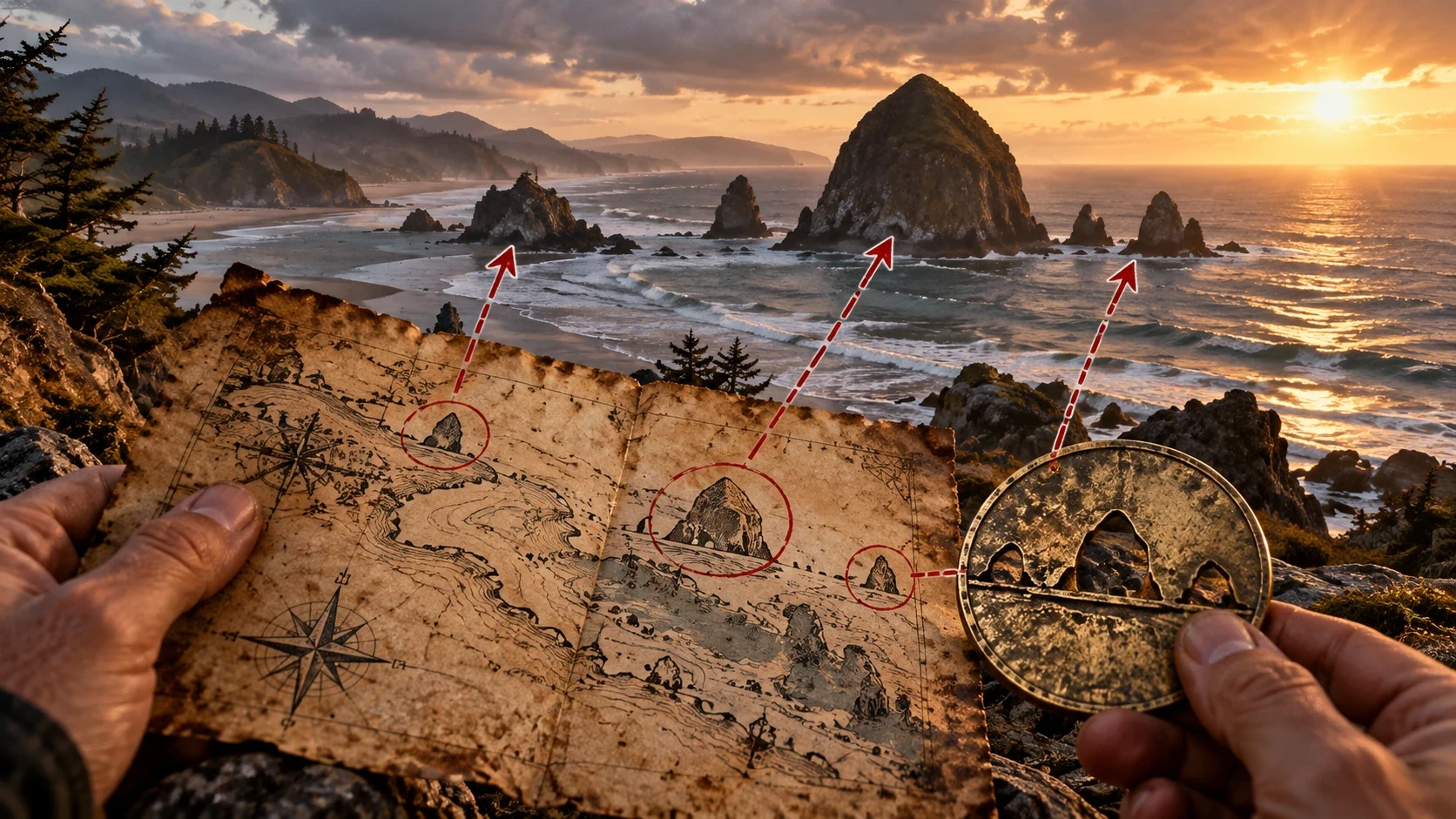
A field map should predict visible features. Confirm at least two stable landmarks before trusting scale, orientation, or final direction.
Read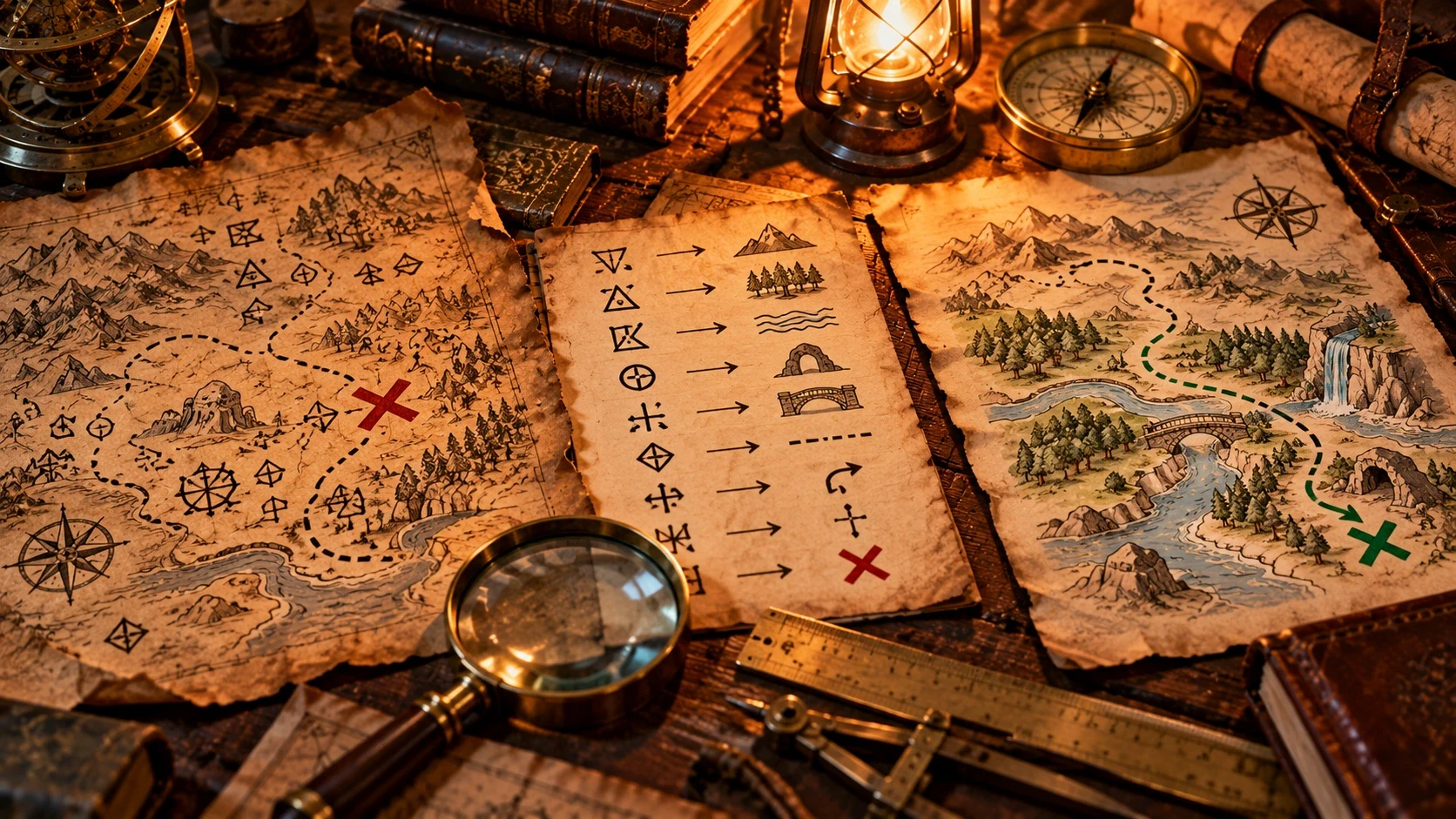
Translate first, navigate second. Preserve uncertain words and alternate meanings so a bad translation does not silently become a bad route.
Read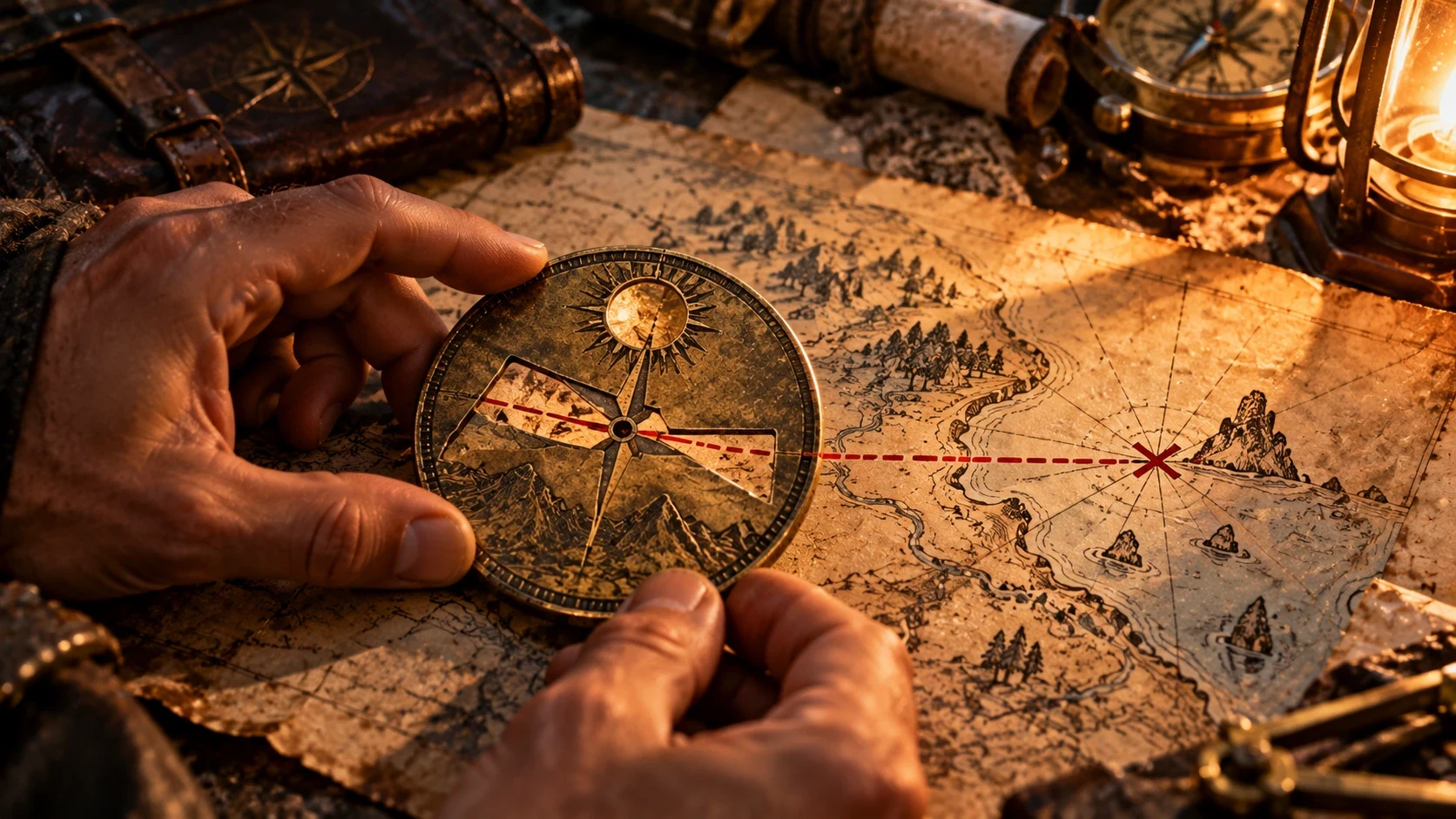
Objects with holes, notches, markings, or sighting features may be field instruments. Identify their purpose before aligning them.
Read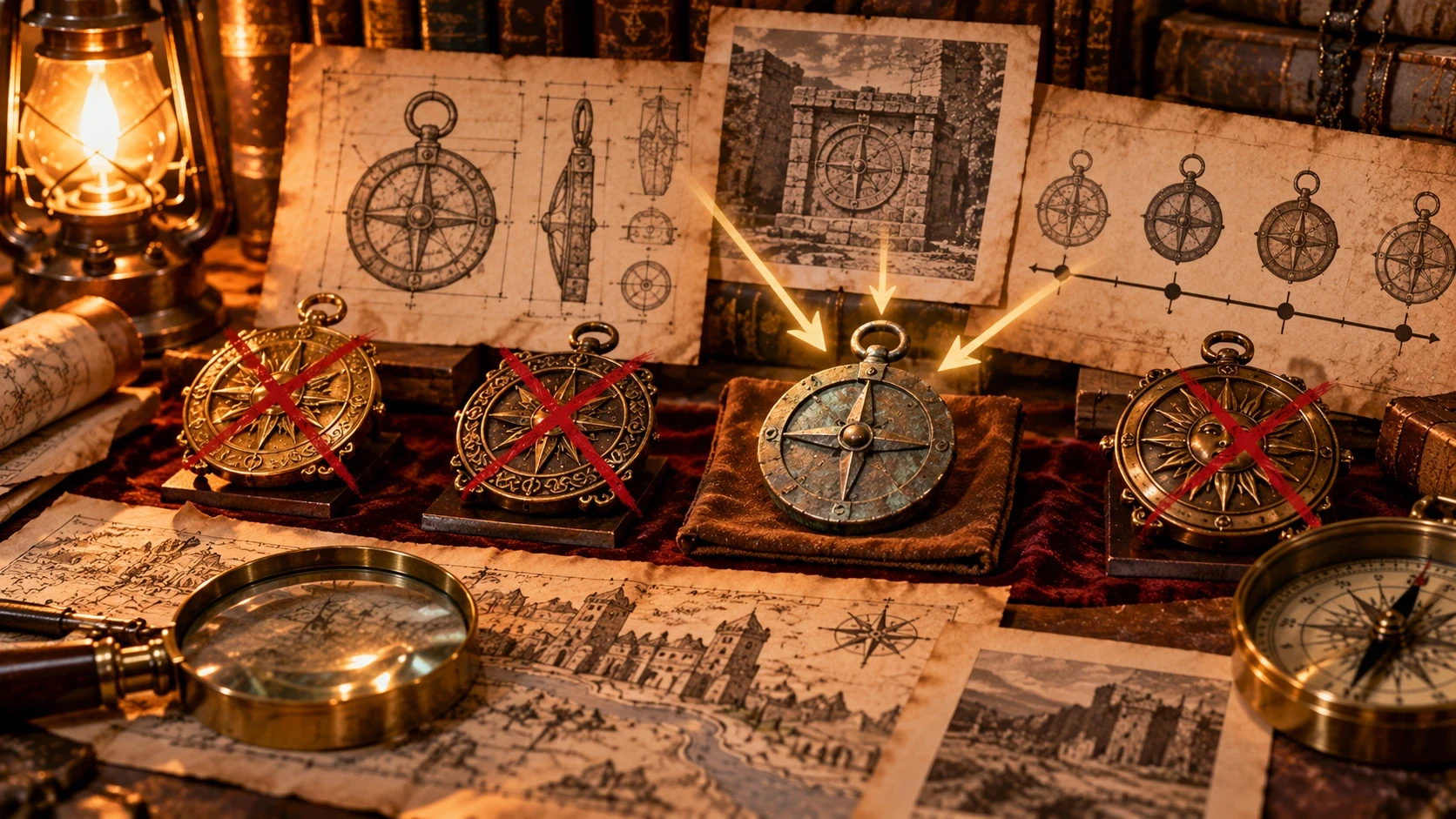
When candidates look equally plausible, use contextual constraints such as provenance, era, material, function, and intended user.
Read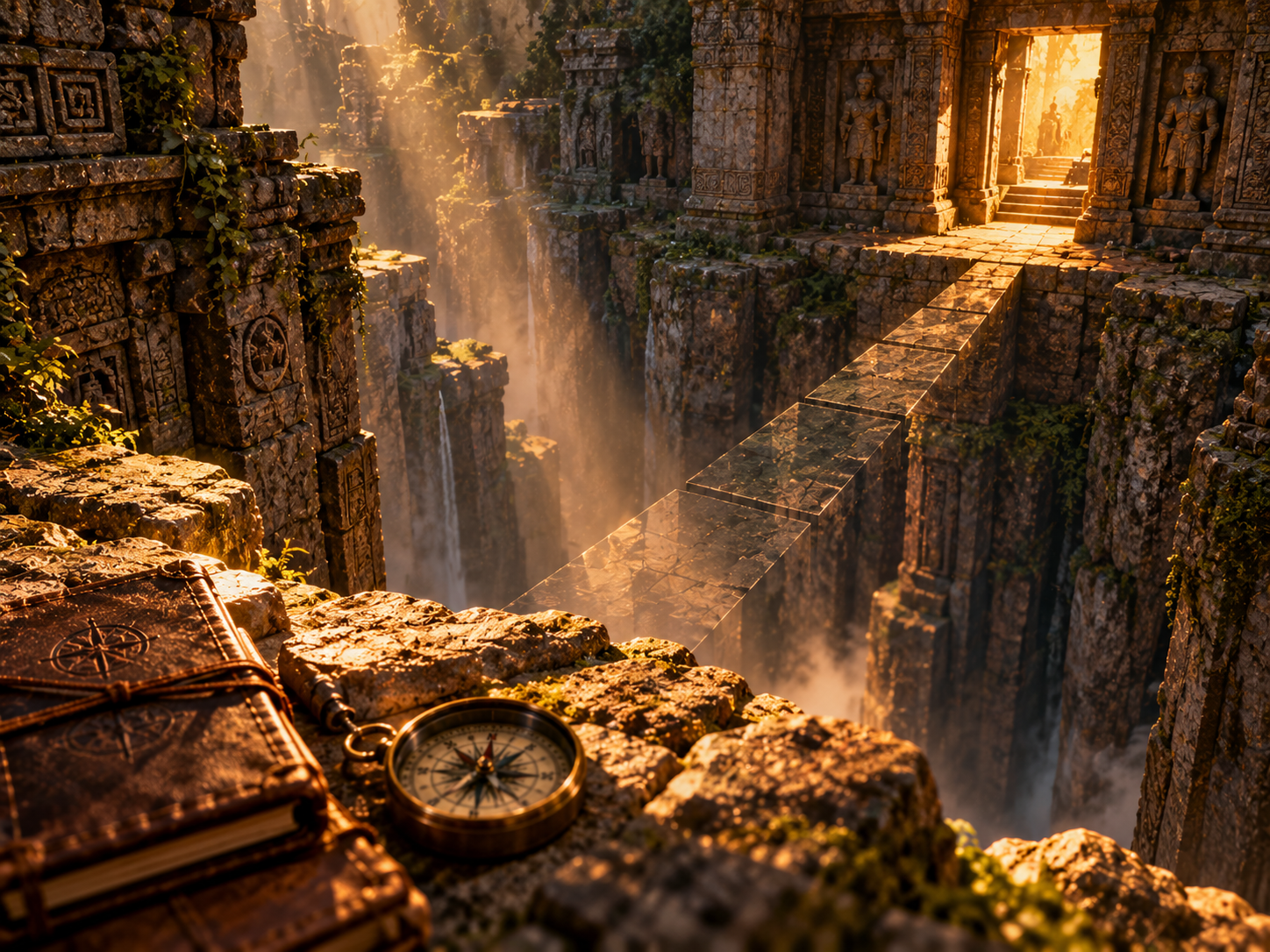
Perspective can conceal real structure. Shift viewpoint, lighting, depth cues, and background alignment when a scene seems impossible.
Read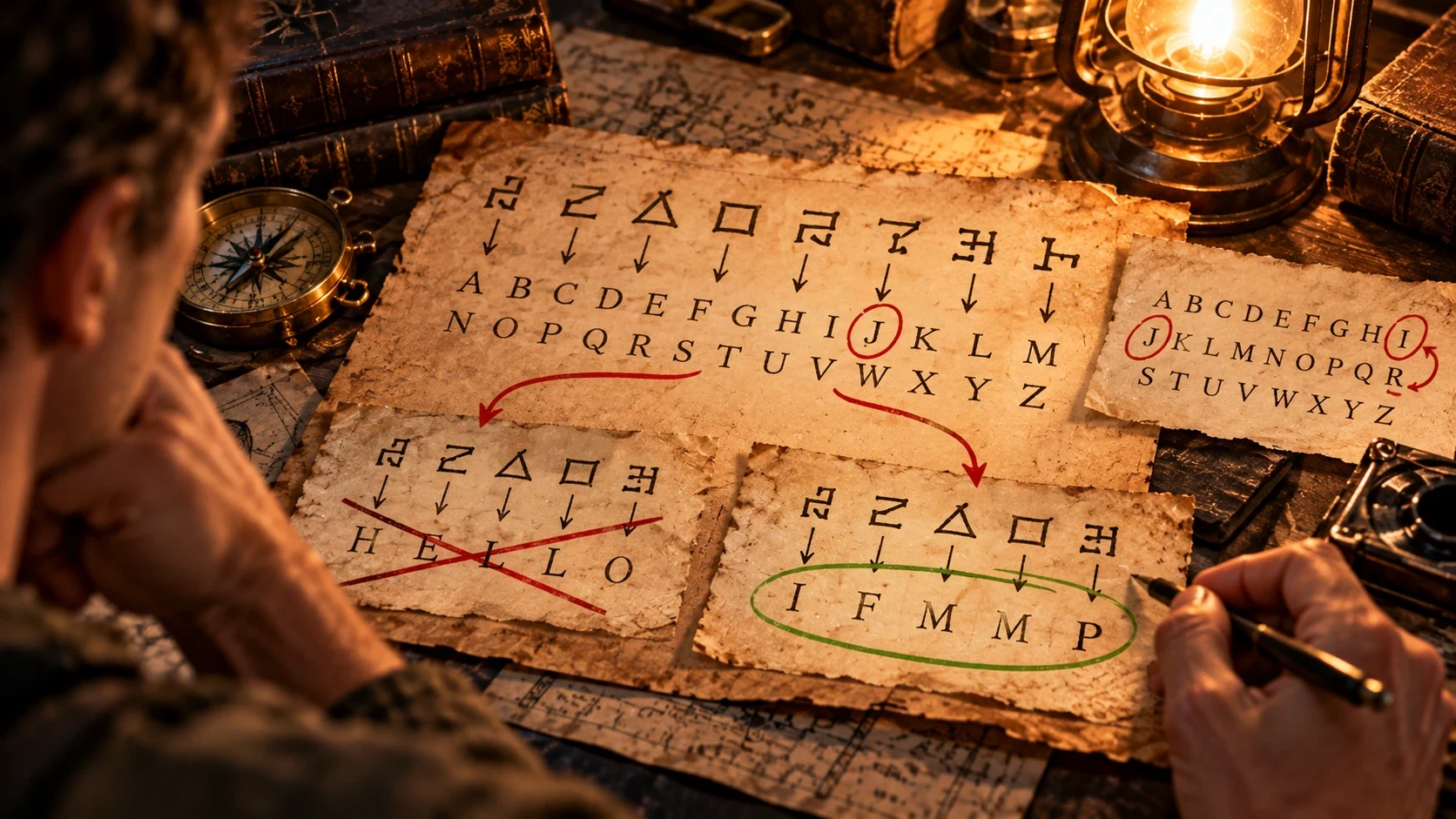
Before rejecting a spelling or letter path, check the language, period, alphabet, transliteration, and naming convention the clue belongs to.
Read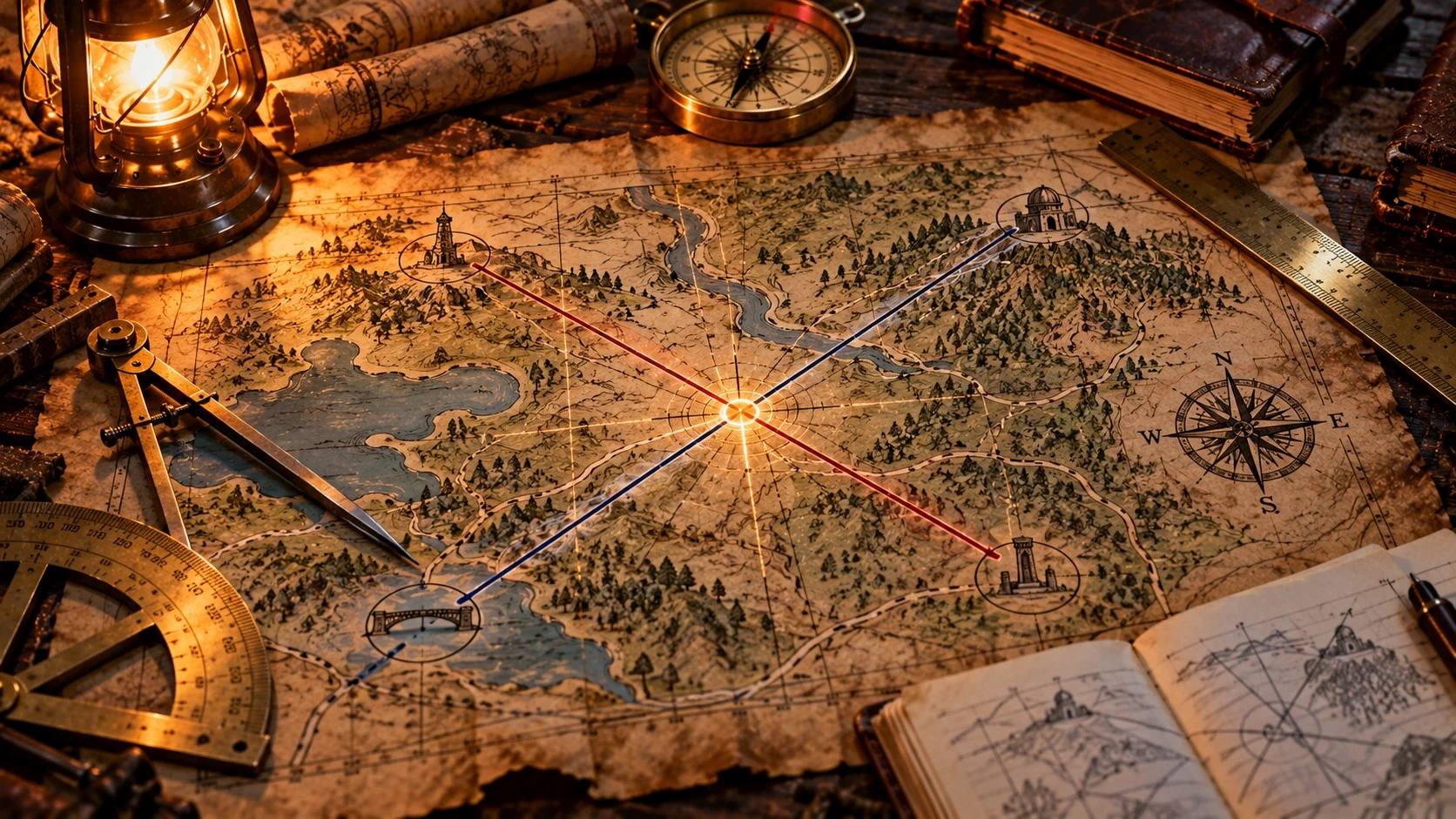
Clichés can be operational. When wording is conspicuous, test both figurative and literal physical interpretations.
Read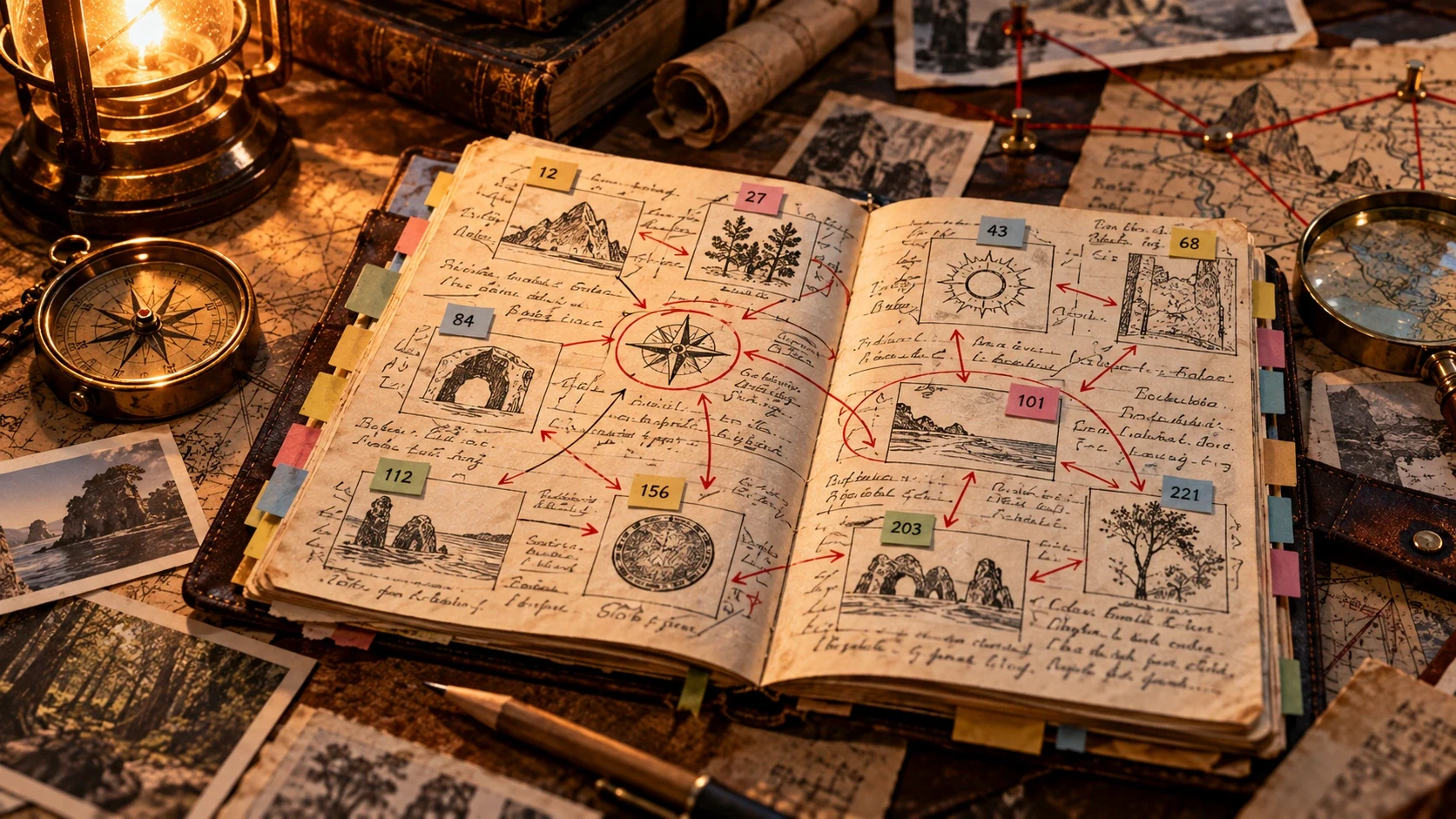
Treat notebooks and clue collections as networks. Cross-reference repeated names, symbols, places, measurements, and diagrams.
Read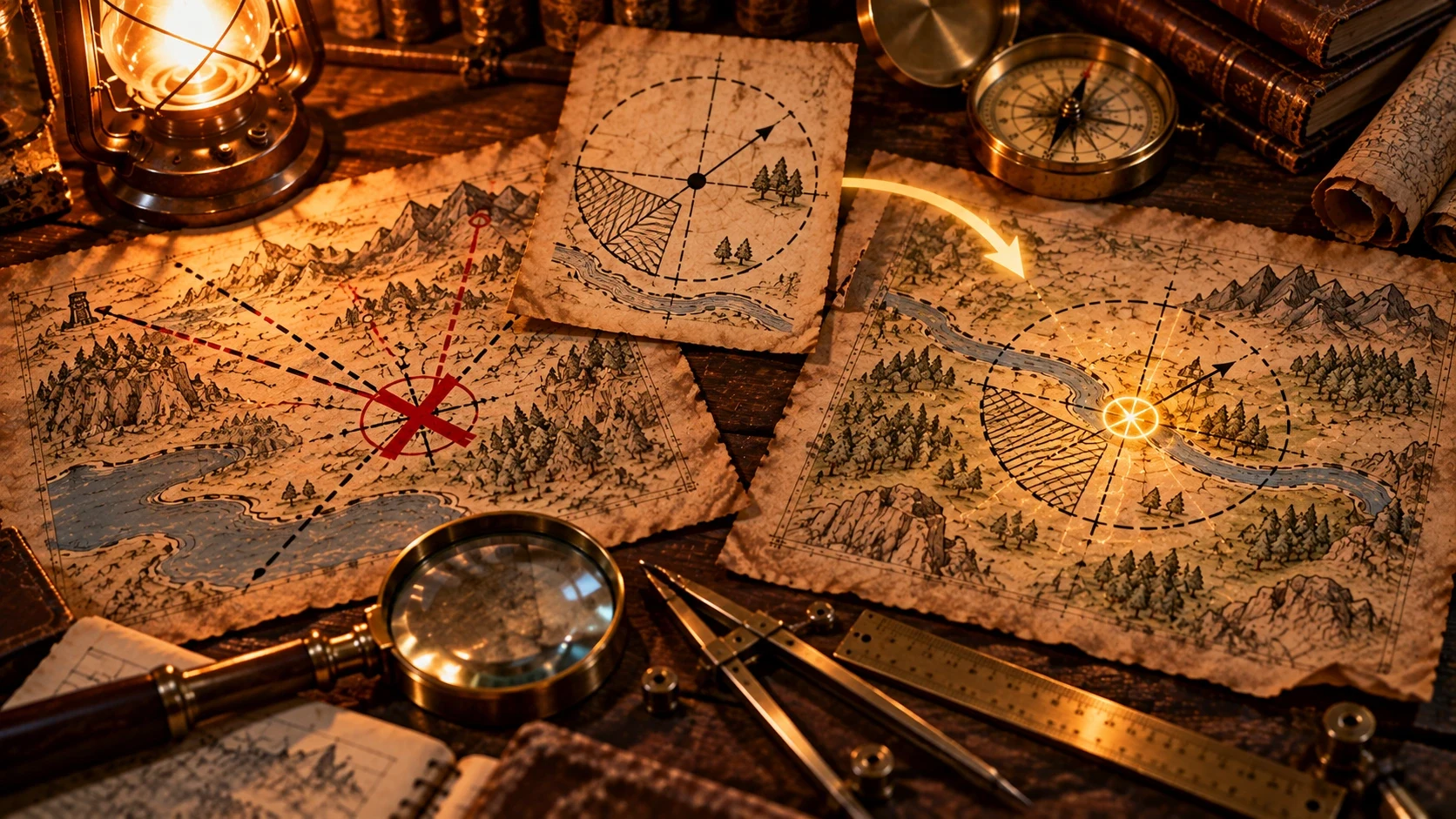
When a near-solve fails, ask what constraint is missing. A systematic offset can reveal an omitted instruction, wrong scale, or incomplete key.
Read
Light can be a measuring tool. Test apertures, lenses, shadows, reflections, and solar position when the clue supports it.
Read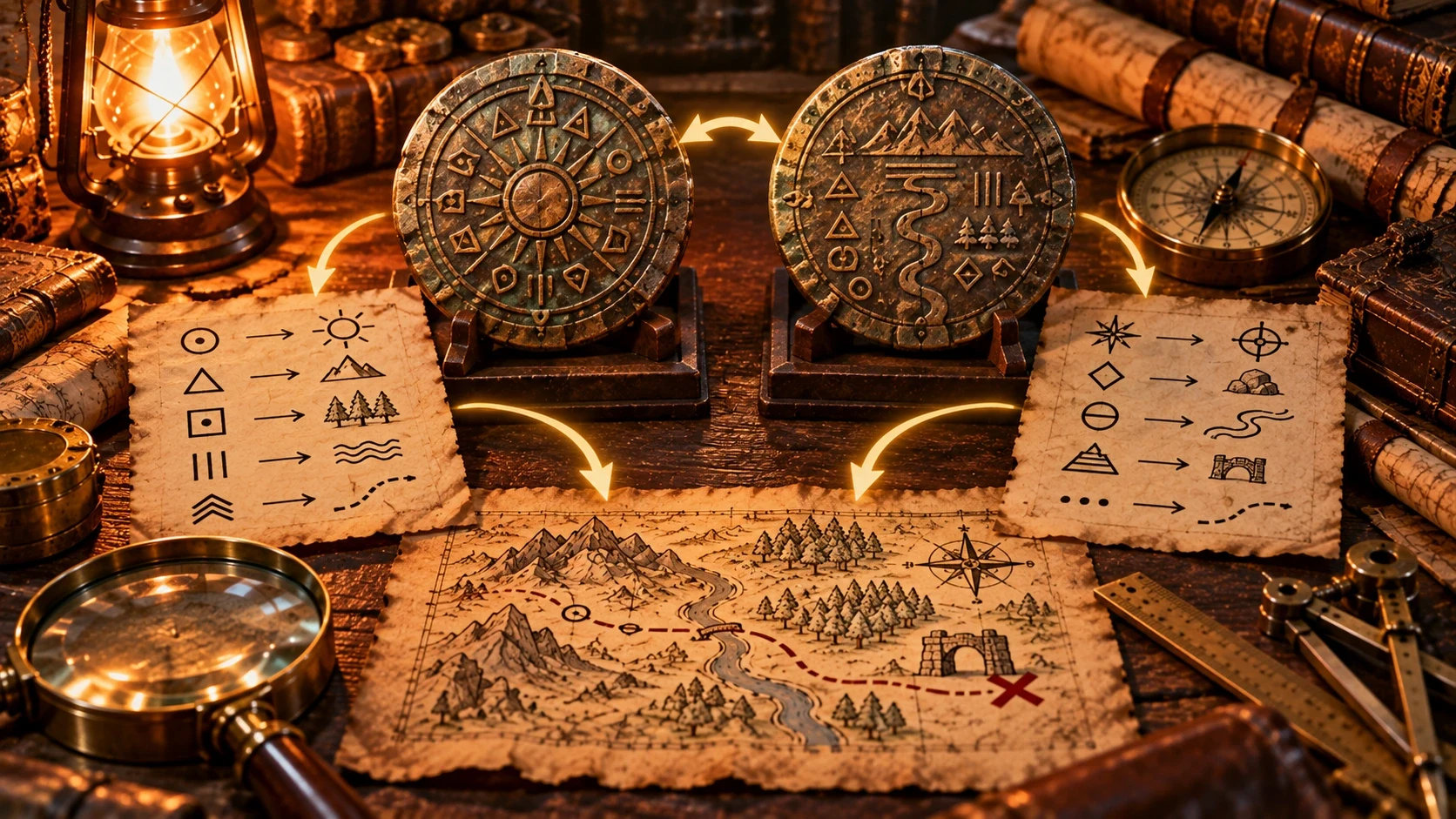
Before acting on an artifact, inventory every surface. Front/back, rim, edge, underside, and interior information may modify the apparent instruction.
Read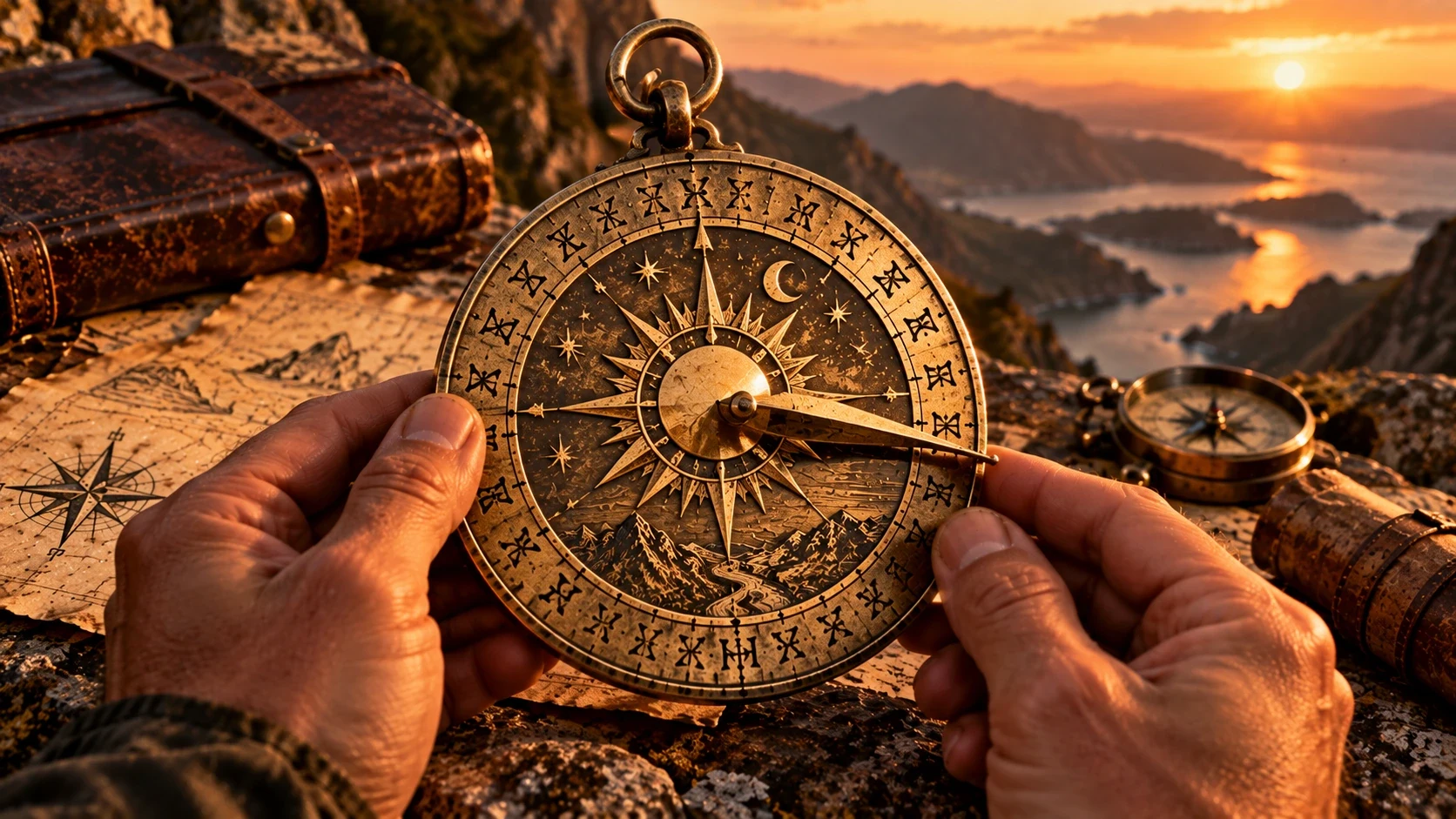
An inscribed object may be more than text. Test whether its shape, holes, edges, transparency, or mounting points imply a second use.
Read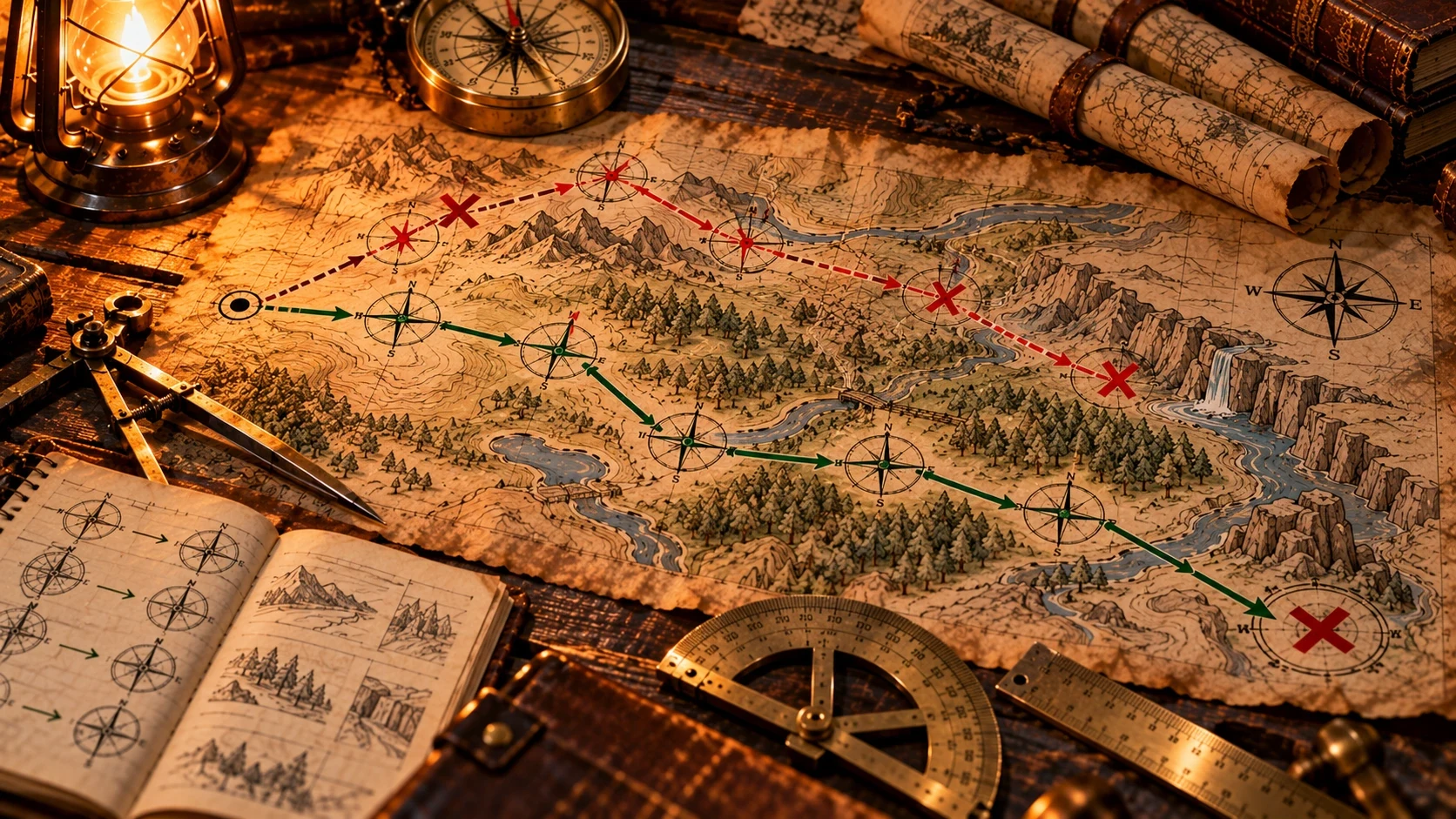
Plot solved points. A route theory becomes stronger when bearings, order, distance, and endpoint behavior agree on a map.
Read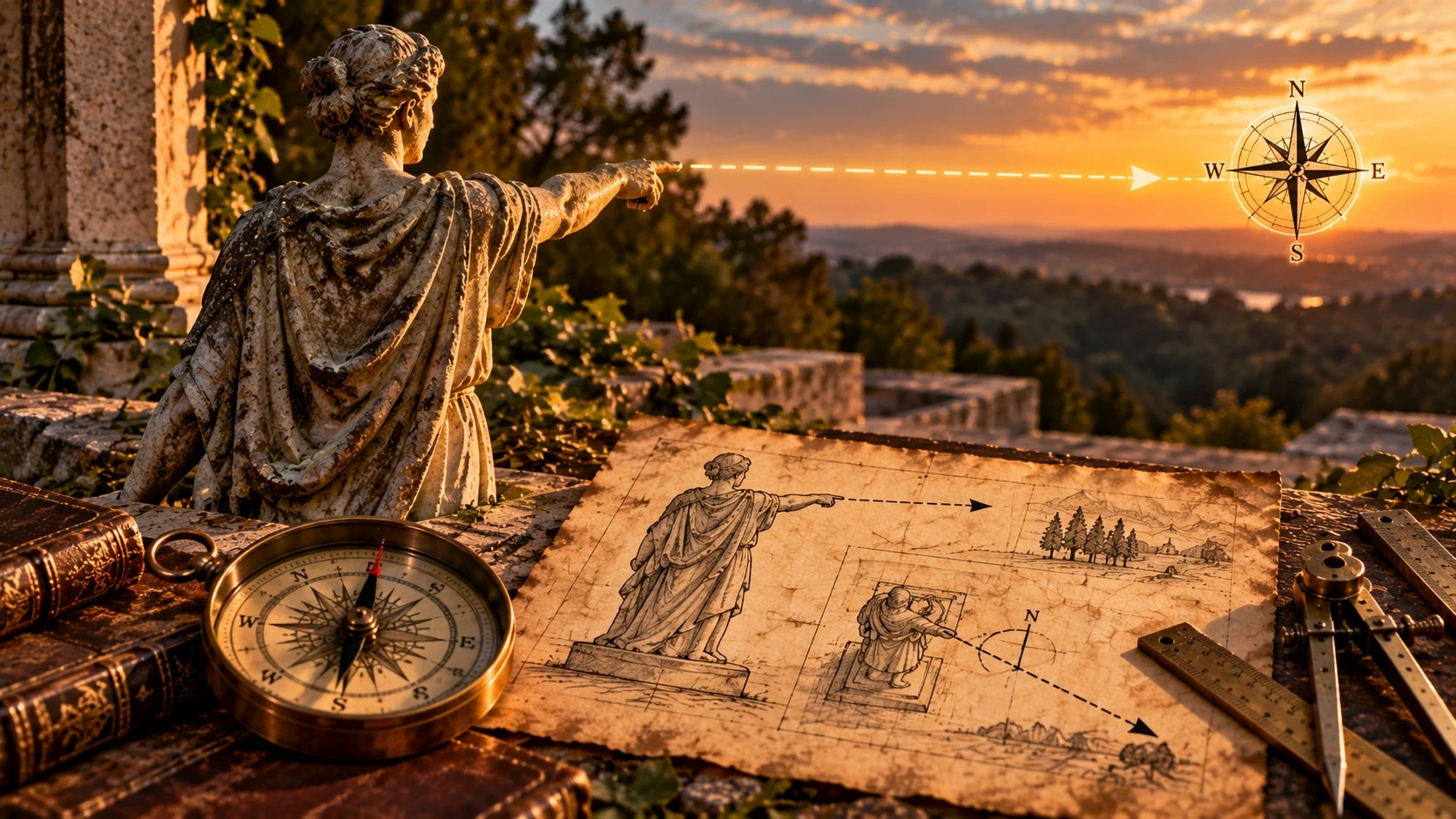
At a confirmed landmark, inspect orientation. Faces, fingers, arrows, sightlines, axes, and shadows may indicate direction.
Read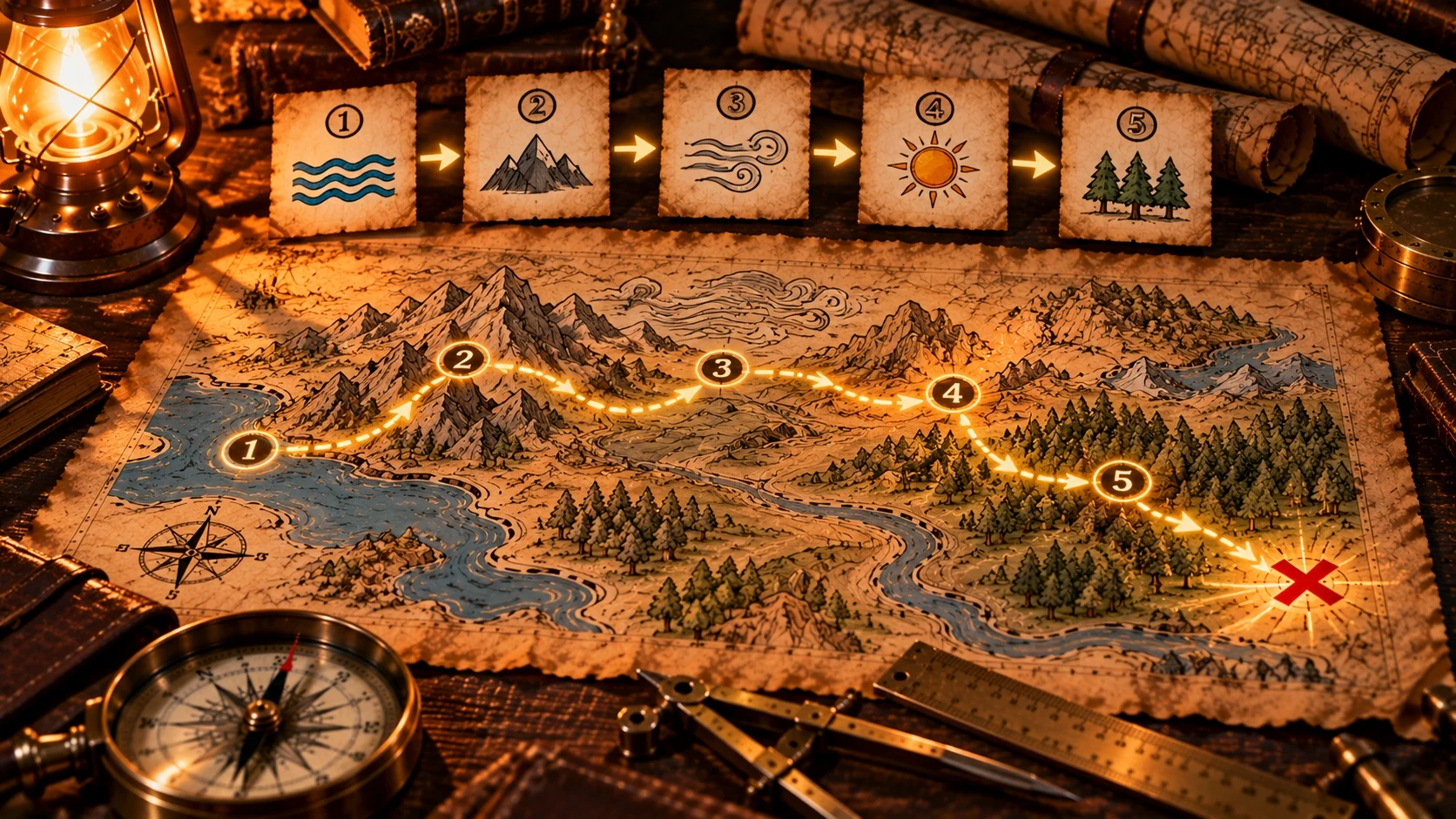
When clues form a known ordered set, preserve the order. A sequence can carry route logic even when each individual clue uses a different mechanism.
Read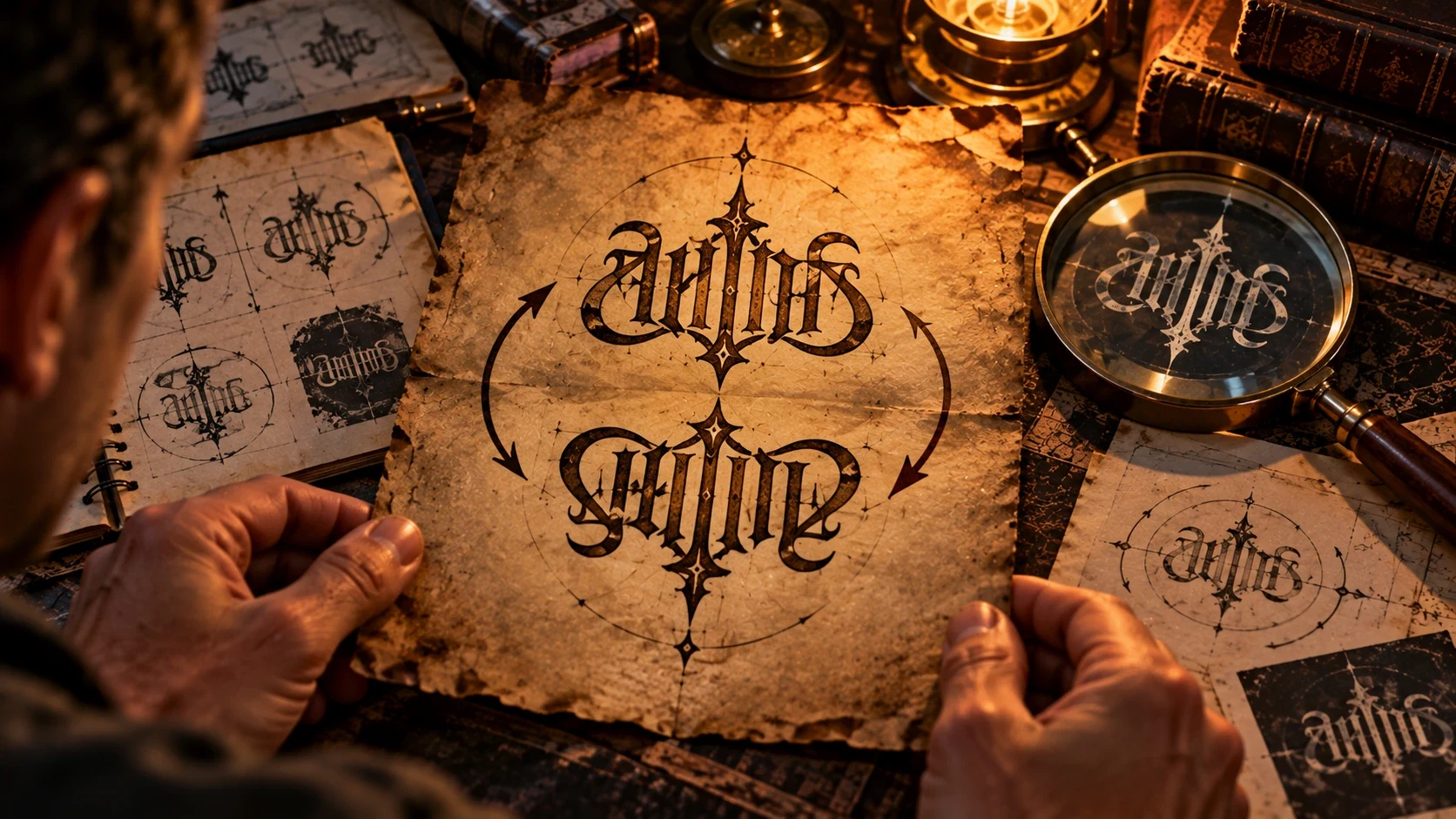
If a word or symbol has unusual symmetry, test rotation, reflection, inversion, and negative space before assuming the typography is ornamental.
Read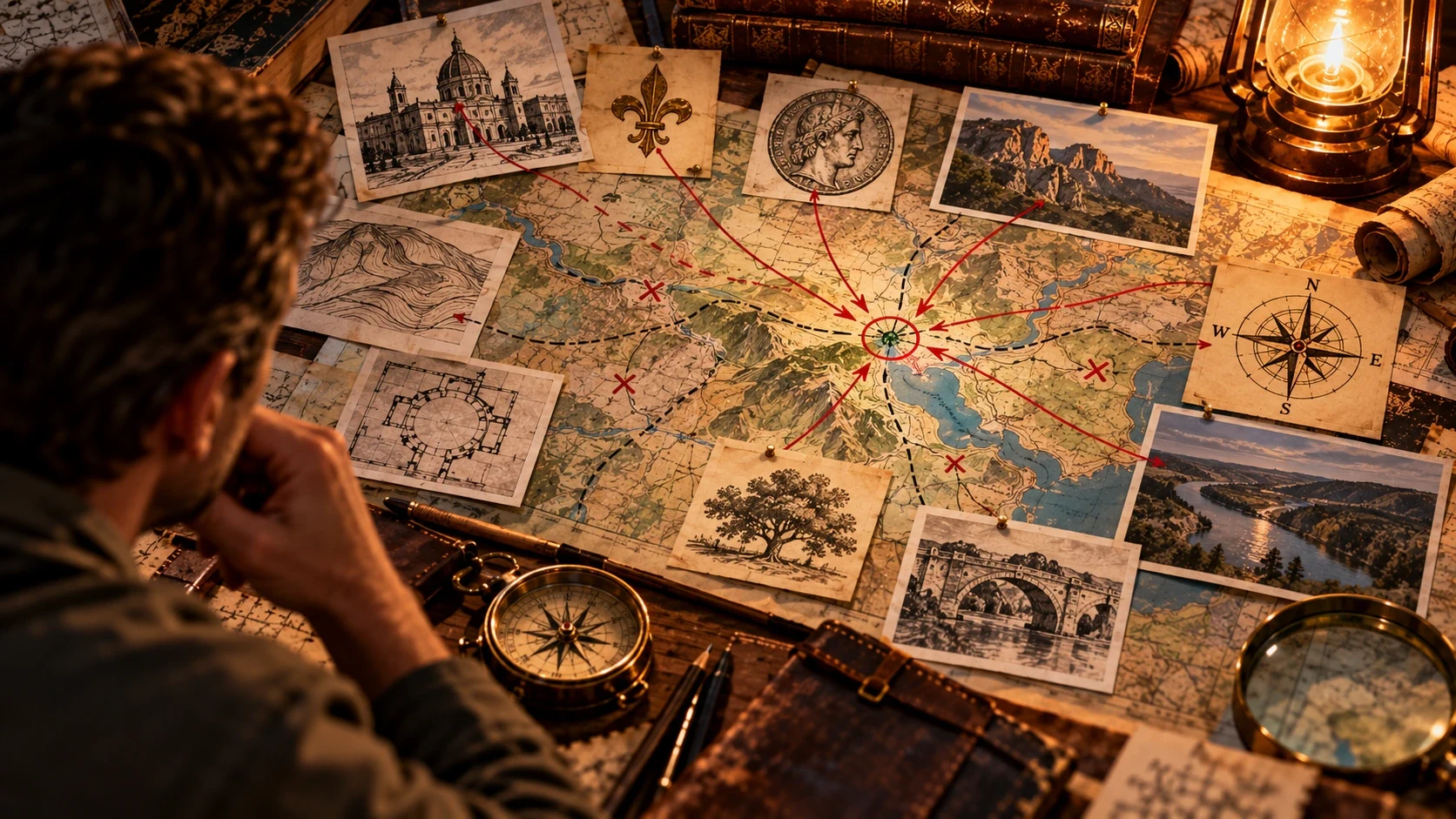
Build geographic hypotheses from independent clues. Names, history, orientation, institutions, and physical features should converge.
Read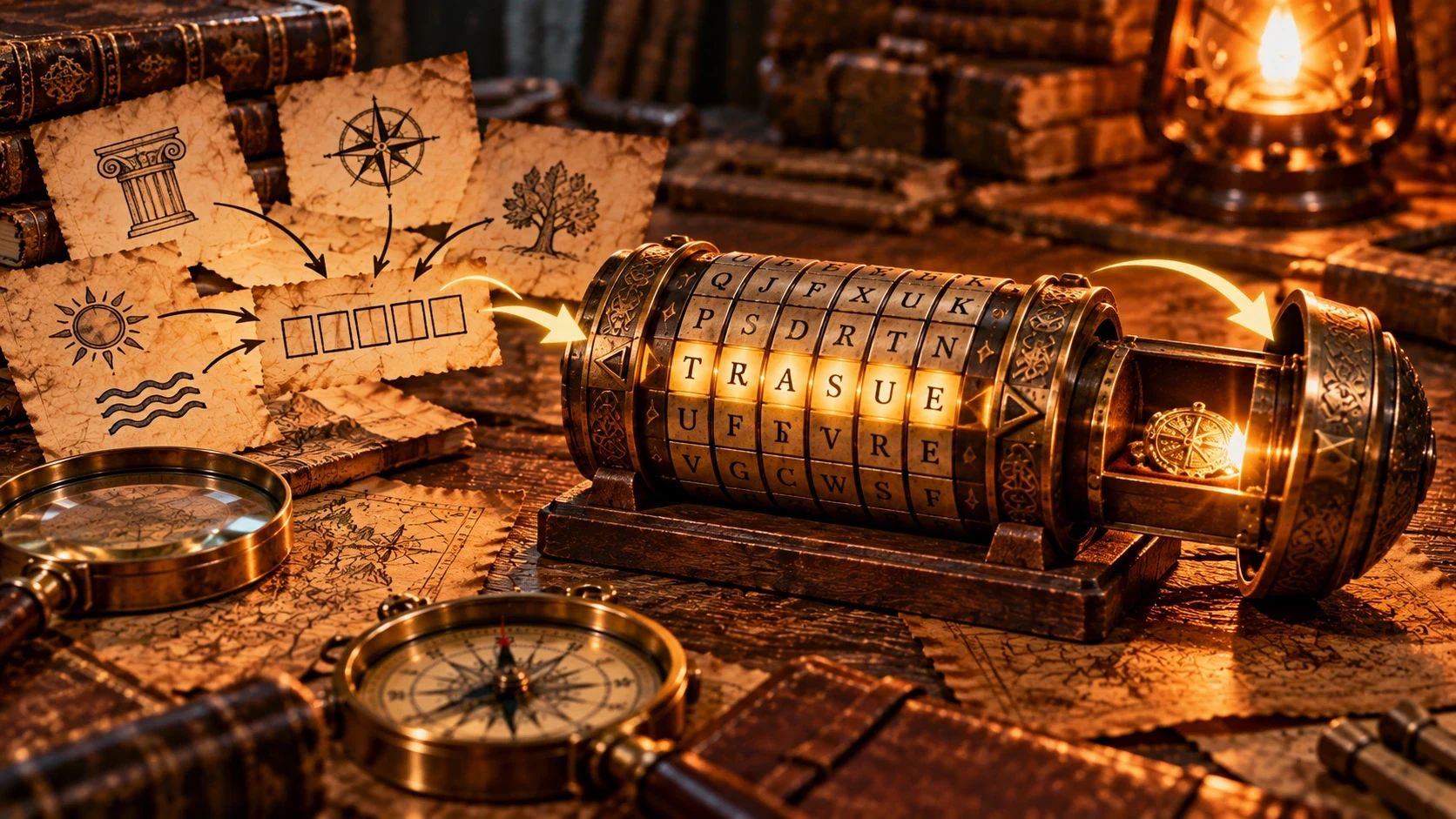
A final answer may be an input rather than a destination. Ask what device, lock, ordering, or action the answer is meant to operate.
Read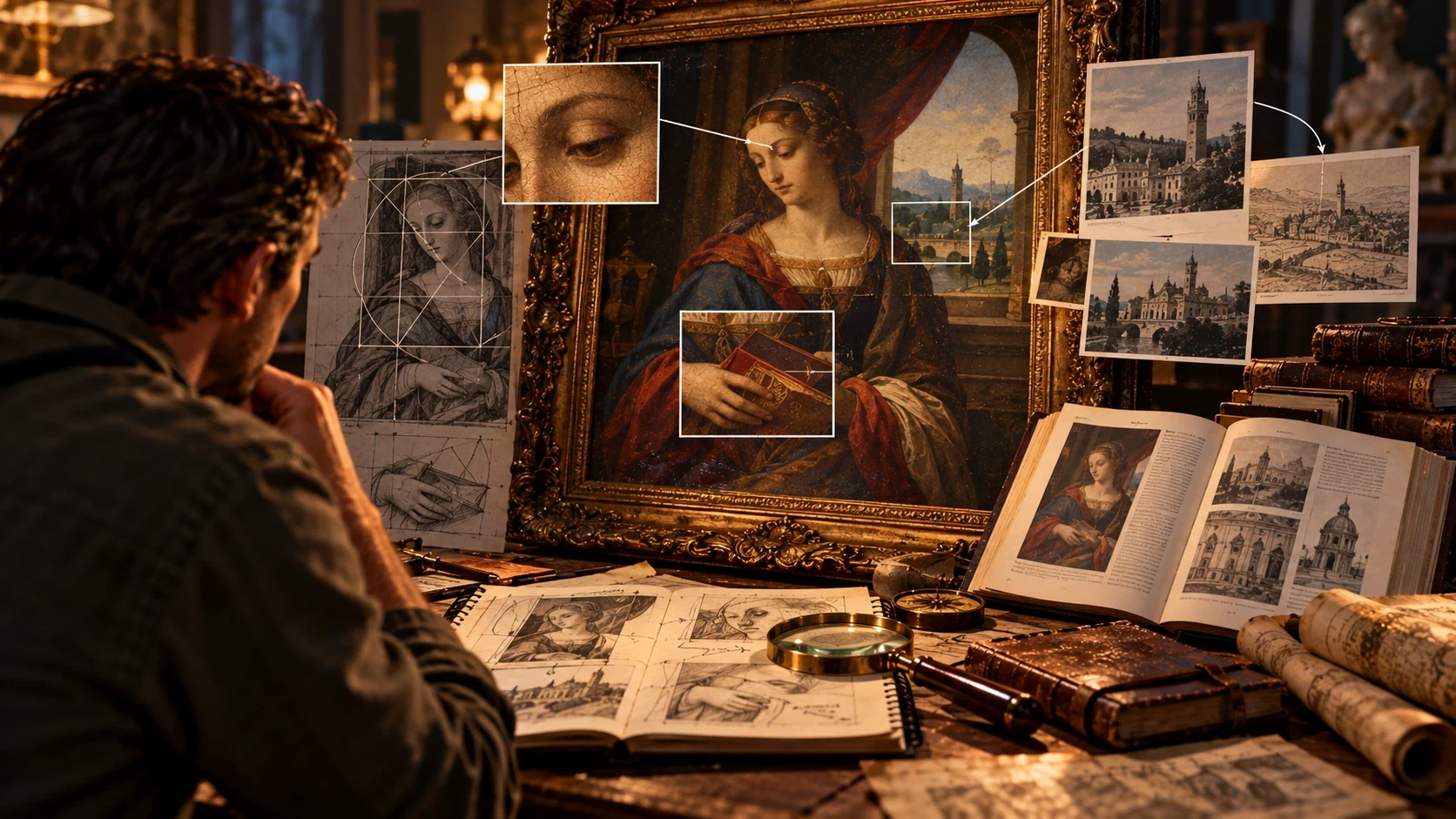
For artwork clues, separate what is visibly present from what outside research says about it. Use both layers as evidence.
Read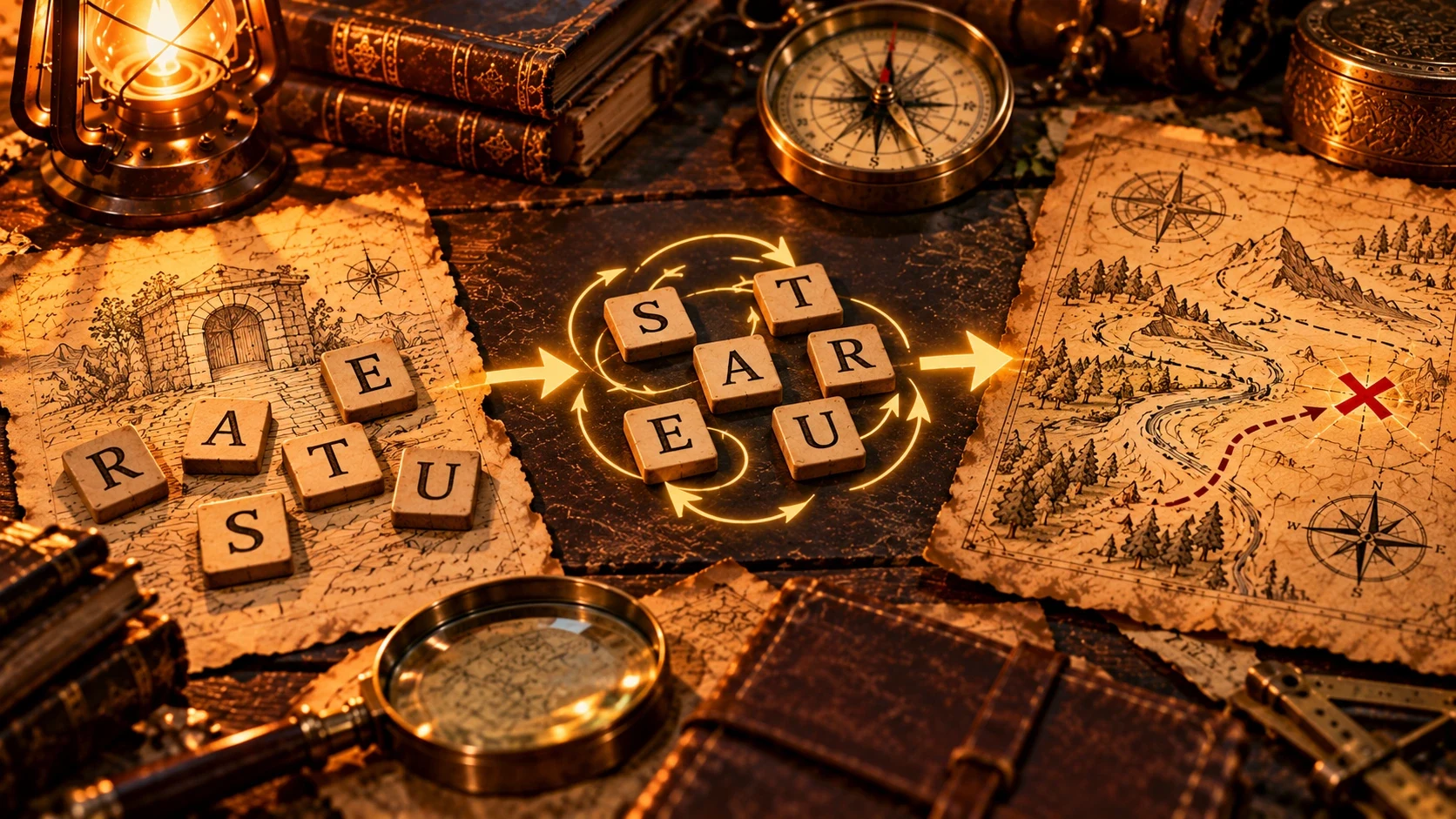
When an anagram is suspected, verify exact letter inventory and ask whether the result meaningfully advances the next clue.
Read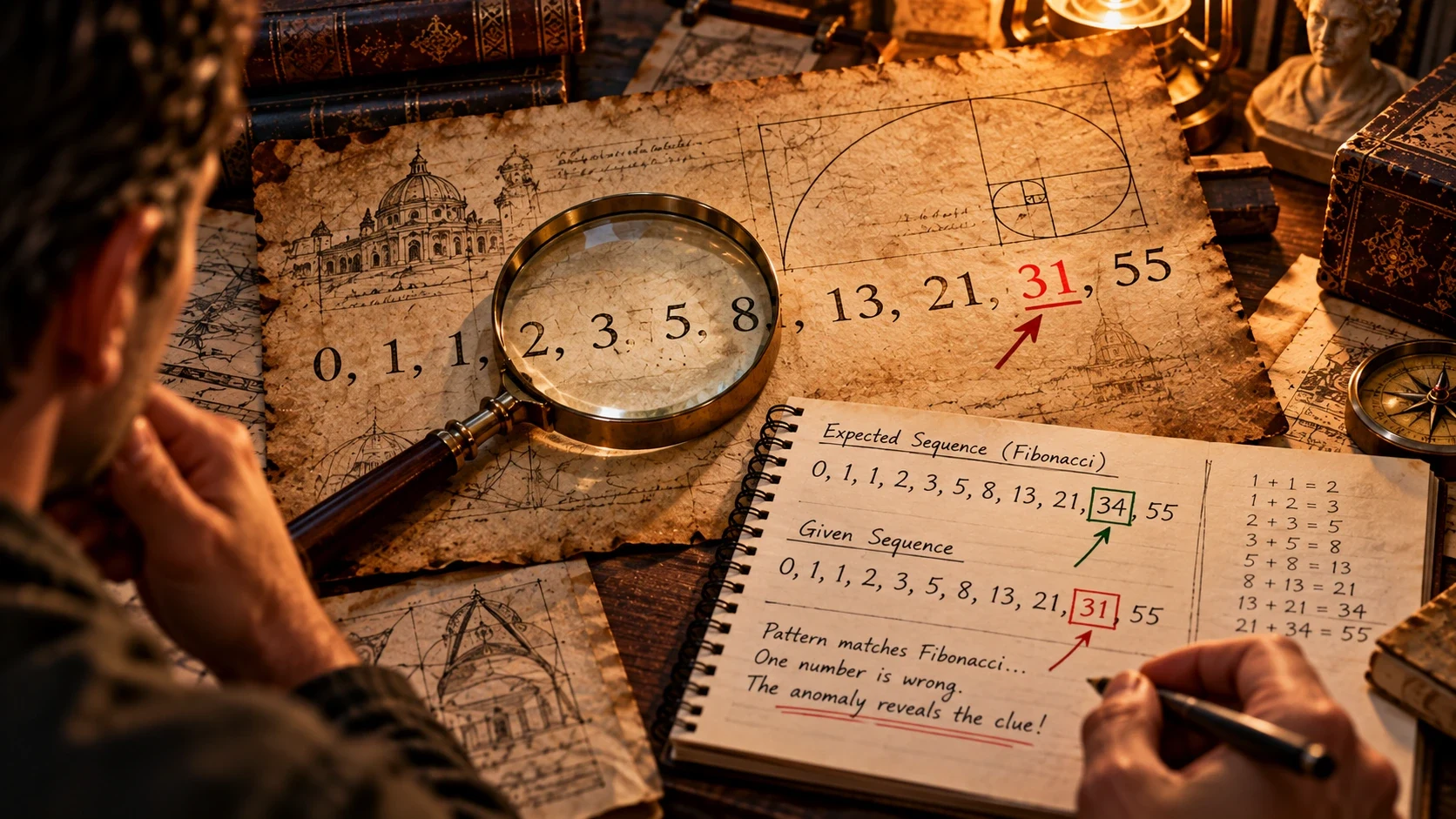
Near-patterns deserve attention. First identify the expected rule, then measure the deviations instead of treating every number as independent.
Read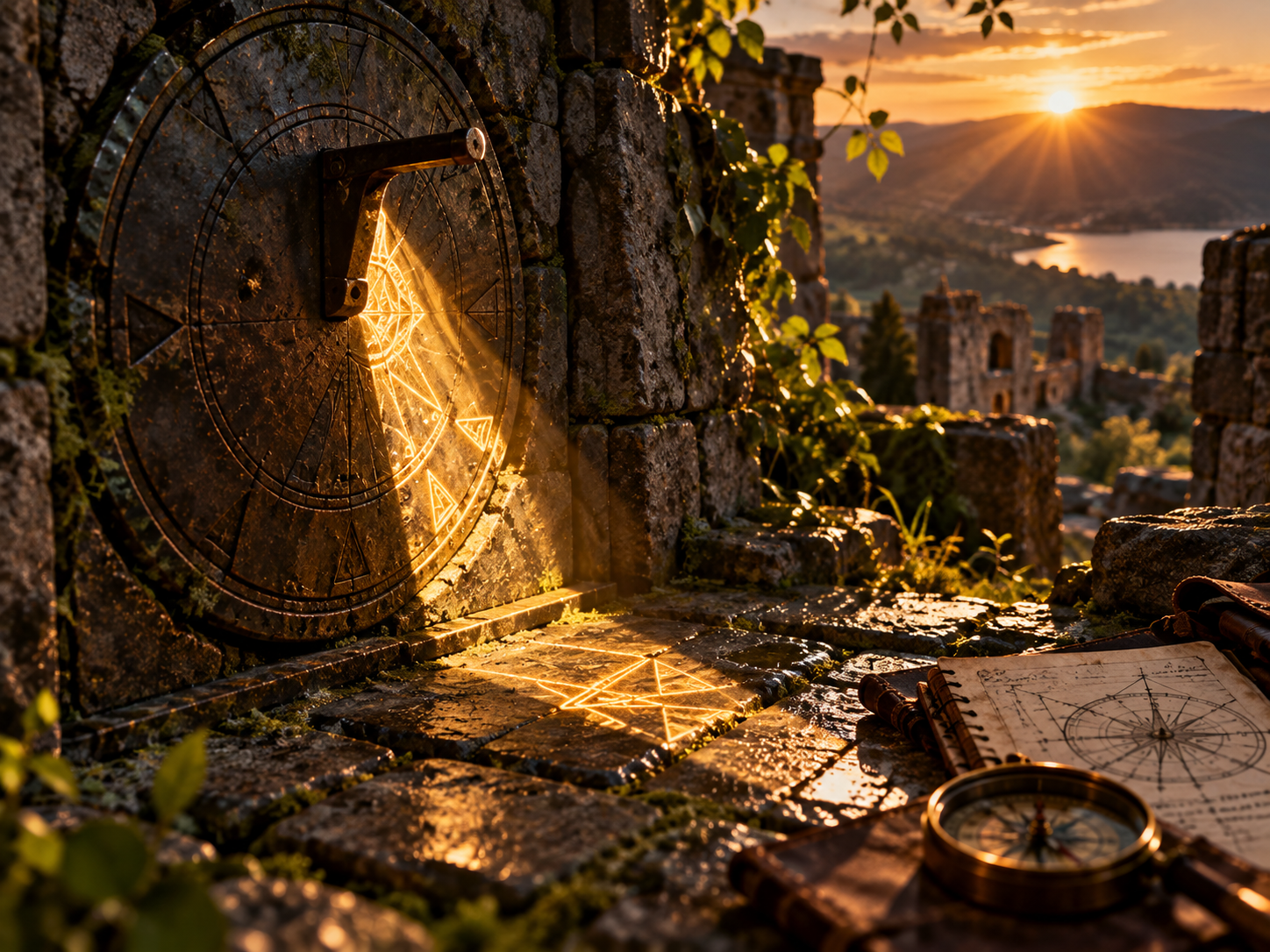
Some clues are operating instructions. On site, test what changes with water, weight, pressure, alignment, movement, or light.
Read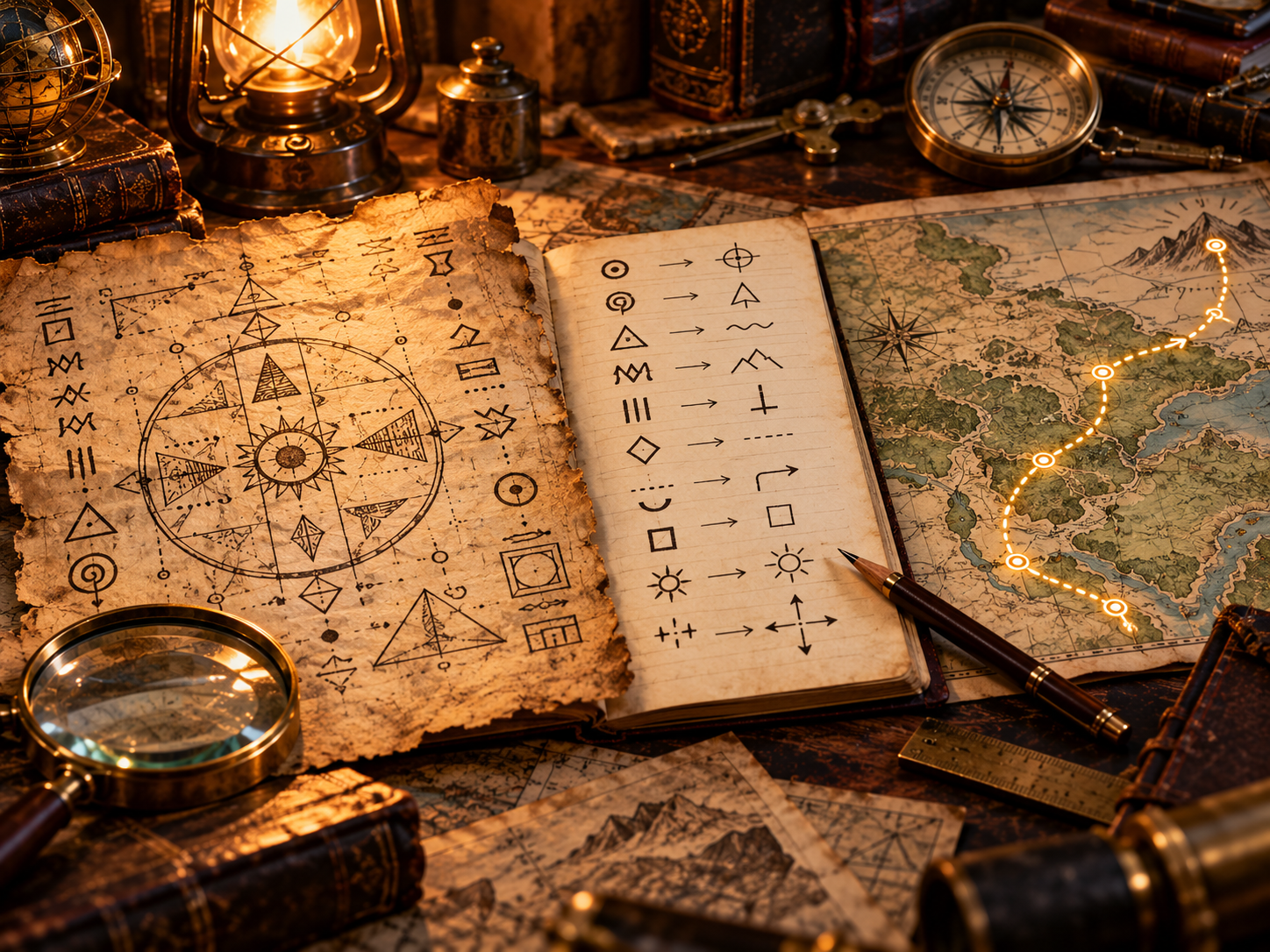
Separate symbol identification from geographic interpretation. Determine what a mark means before deciding where it points.
Read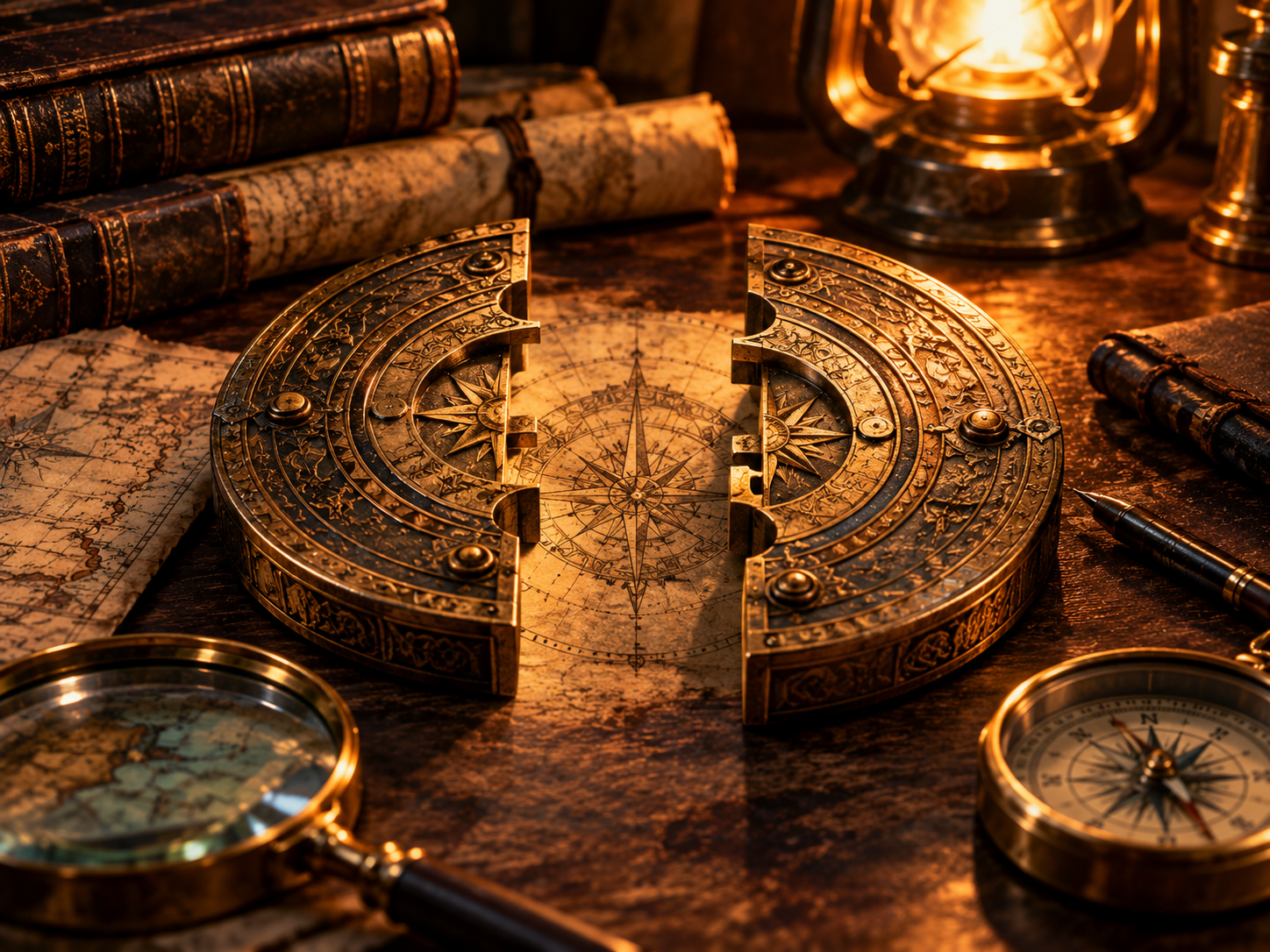
If a clue stresses twins, pairs, mirrors, counterparts, or divided objects, test whether information is split across both.
Read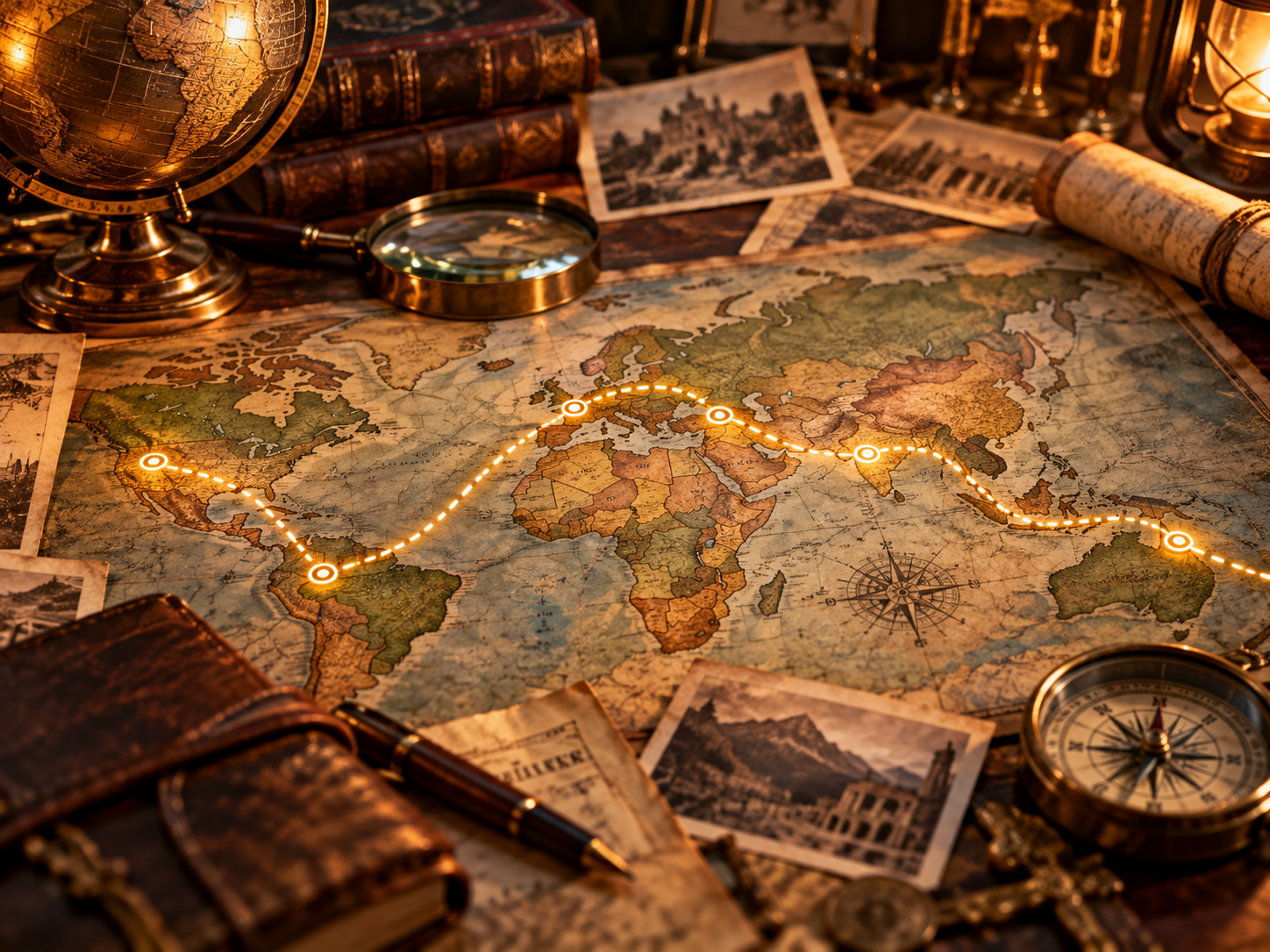
Research clues can bridge distant places. Track people, gifts, monuments, dates, replicas, and institutional relationships.
Read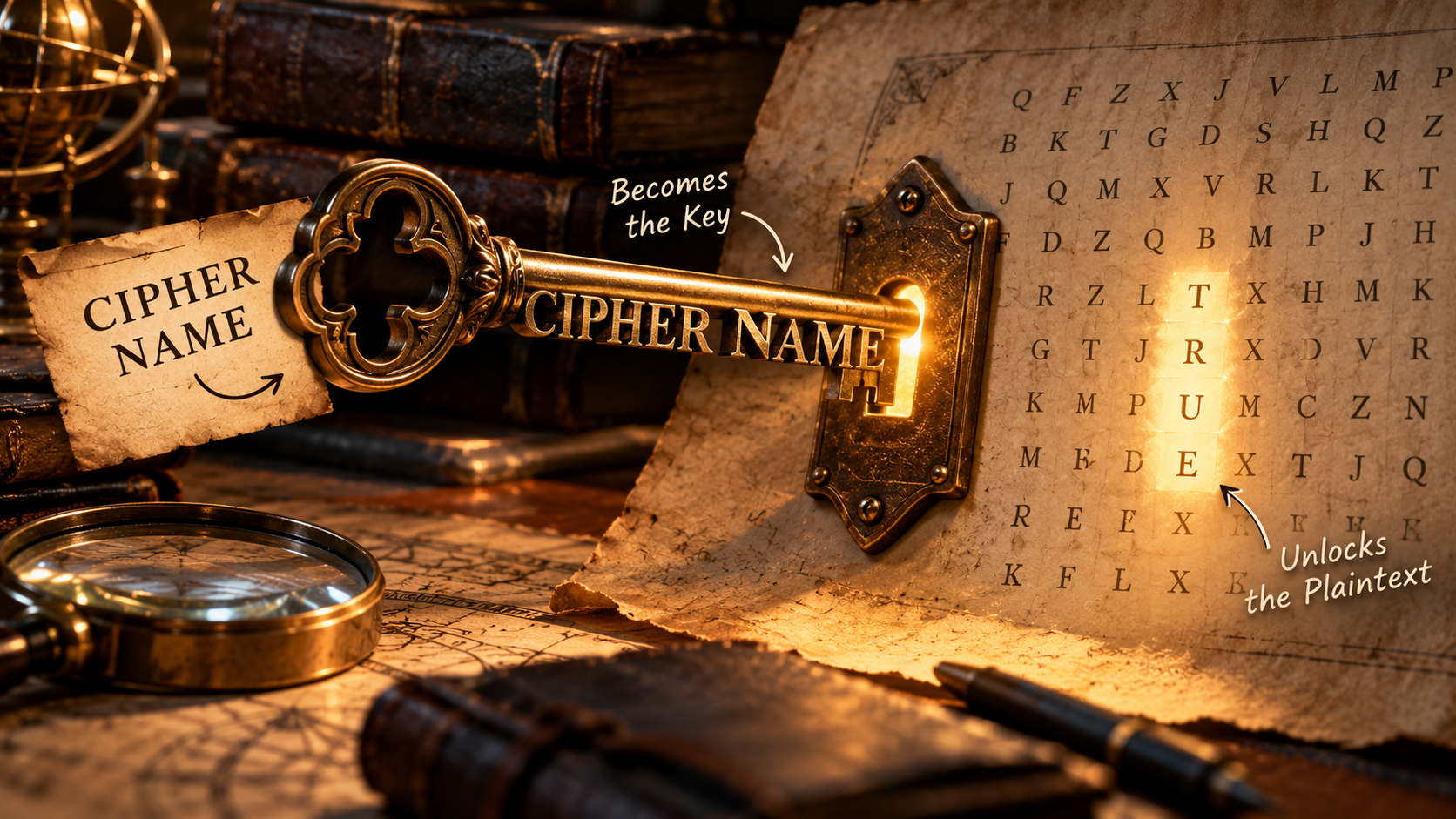
First classify the encoding system. If a cipher is named or strongly signaled, test its real rules before inventing custom ones.
Read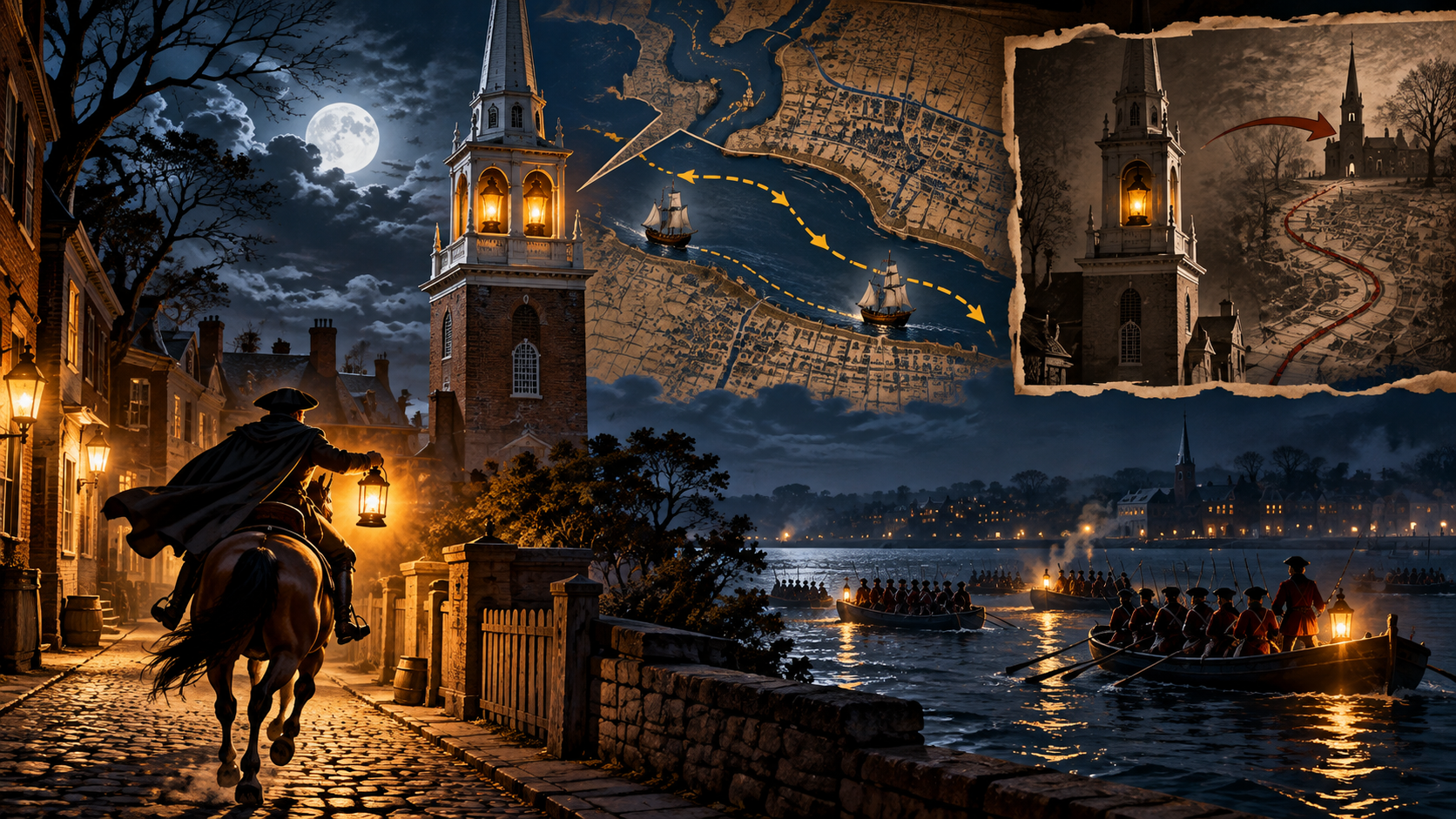
A plausible historical story can still be a false lead. Verify the details and require independent support before changing course.
Read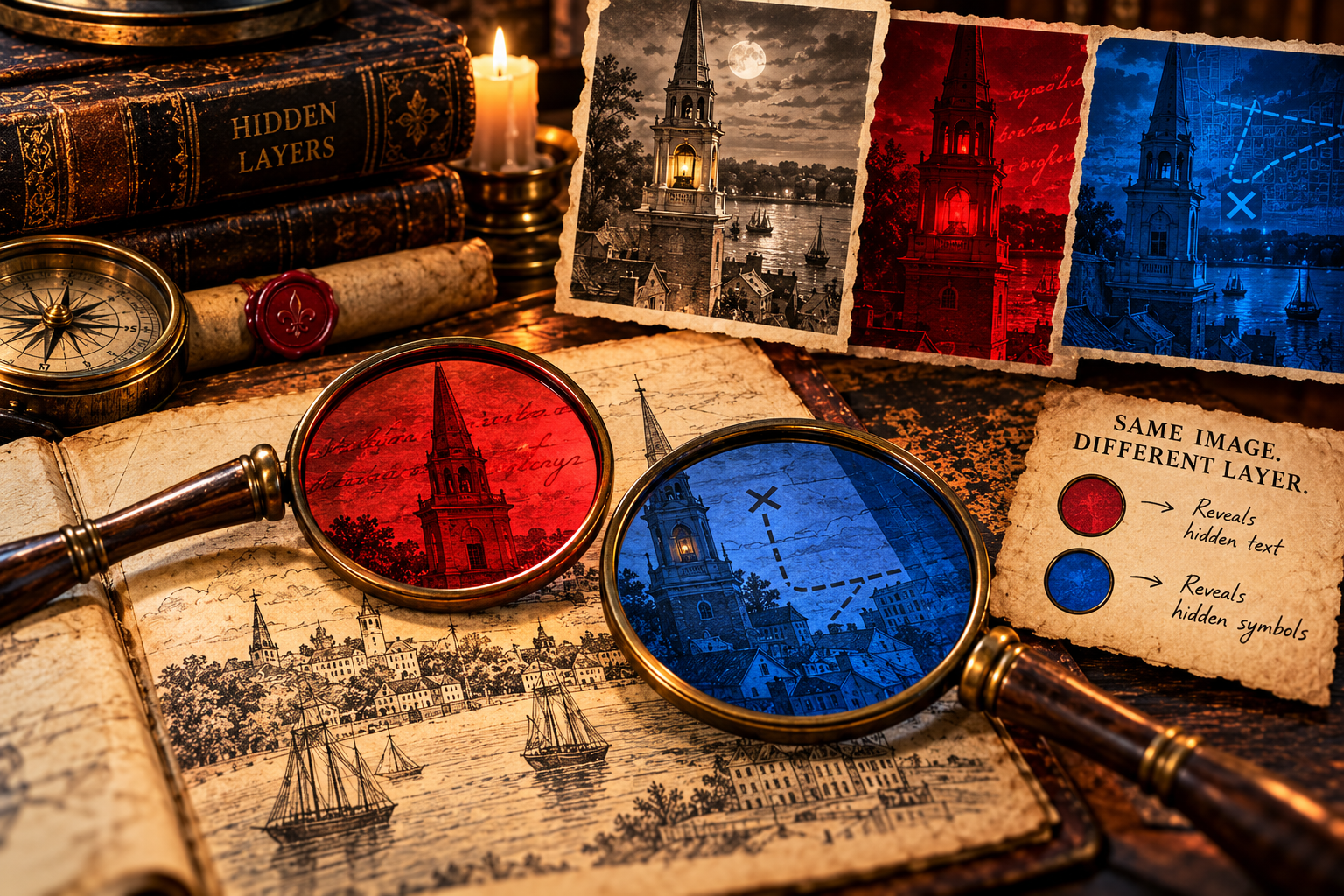
When a visual clue appears noisy or incomplete, test filtering, overlays, color channels, transparency, rotation, and alternate viewing conditions.
Read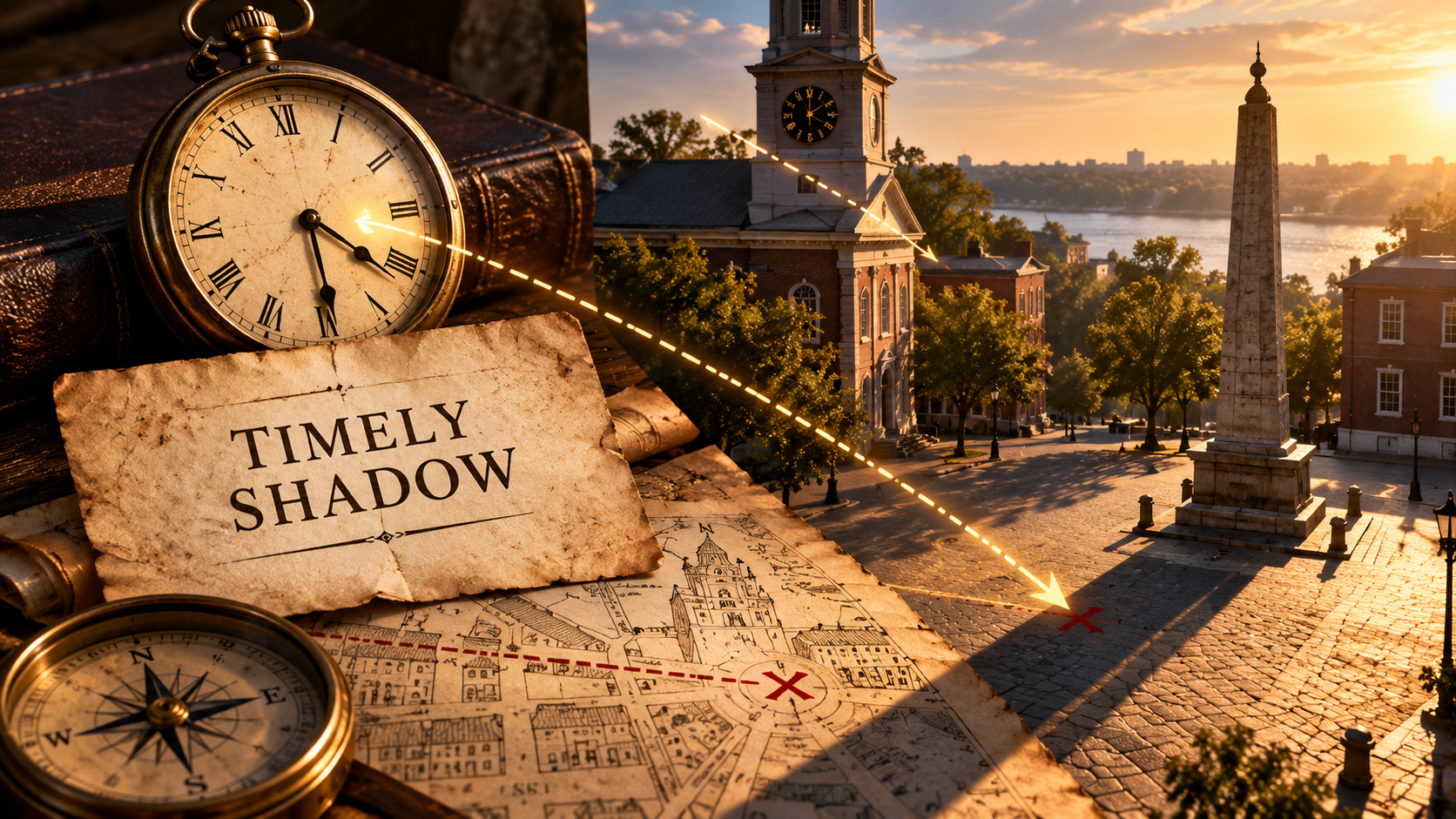
Words about time, light, shadow, noon, season, or direction can impose a real-world condition on an otherwise static location.
Read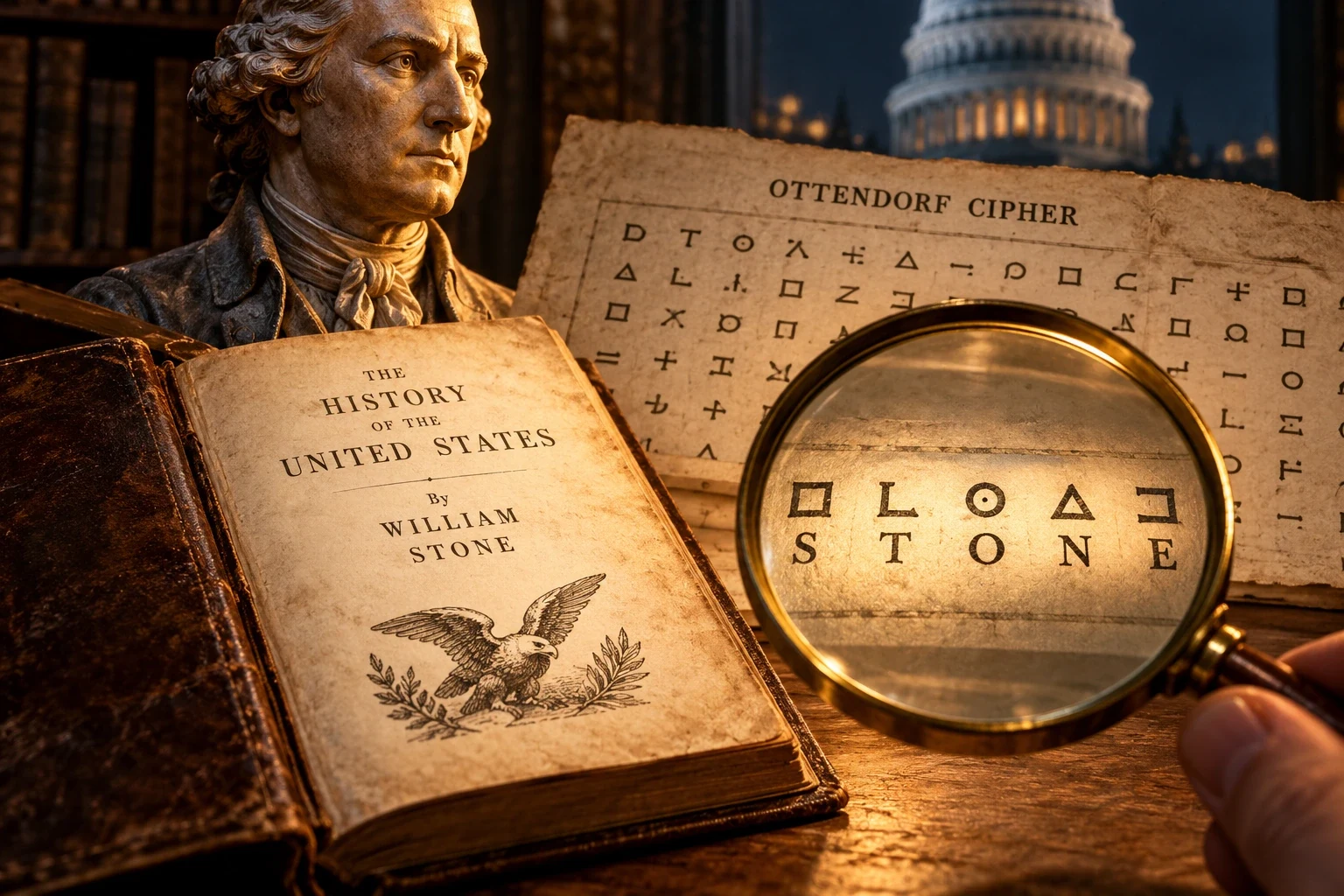
Before manipulating conspicuous numbers mathematically, test whether they behave as addresses into a referenced text.
Read
When markings on a three-dimensional object look incomplete, test whether motion, contact, rotation, or transfer is part of the reading method.
Read
Treat proper nouns as hypotheses, not conclusions. Build a candidate list, then demand a concrete connection to the next clue.
Read