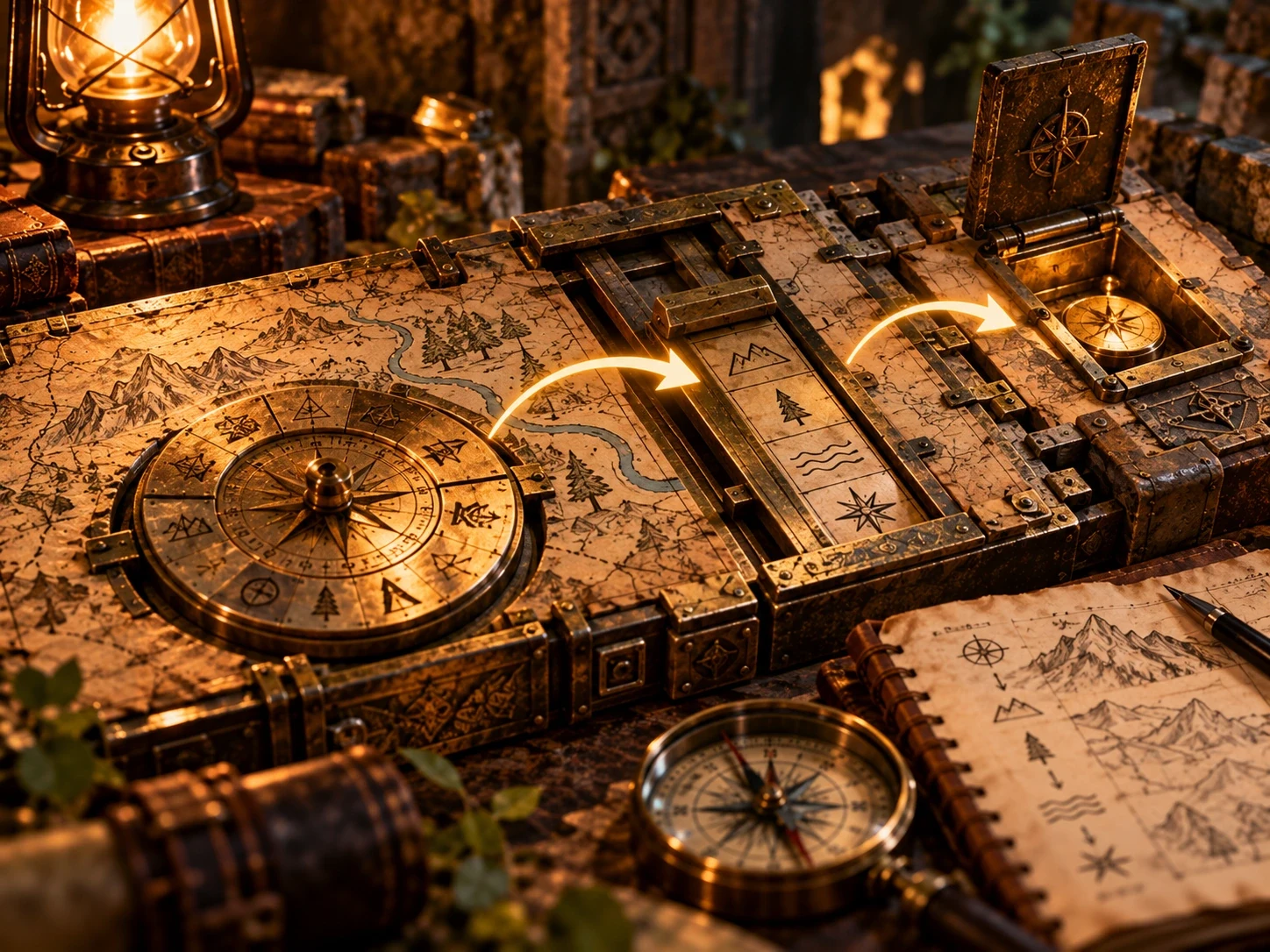
When the “Map” Is Actually a Sequence of Mechanisms
Do not demand a single master map. In chained hunts, the route may be generated progressively, with each stage producing the key for the next.
ReadTopic
Do not demand a single master map. In chained hunts, the route may be generated progressively, with each stage producing the key for the next.
Read
When two clue lines or objects each seem incomplete, test their intersection, overlay, shared axis, or common reference frame.
Read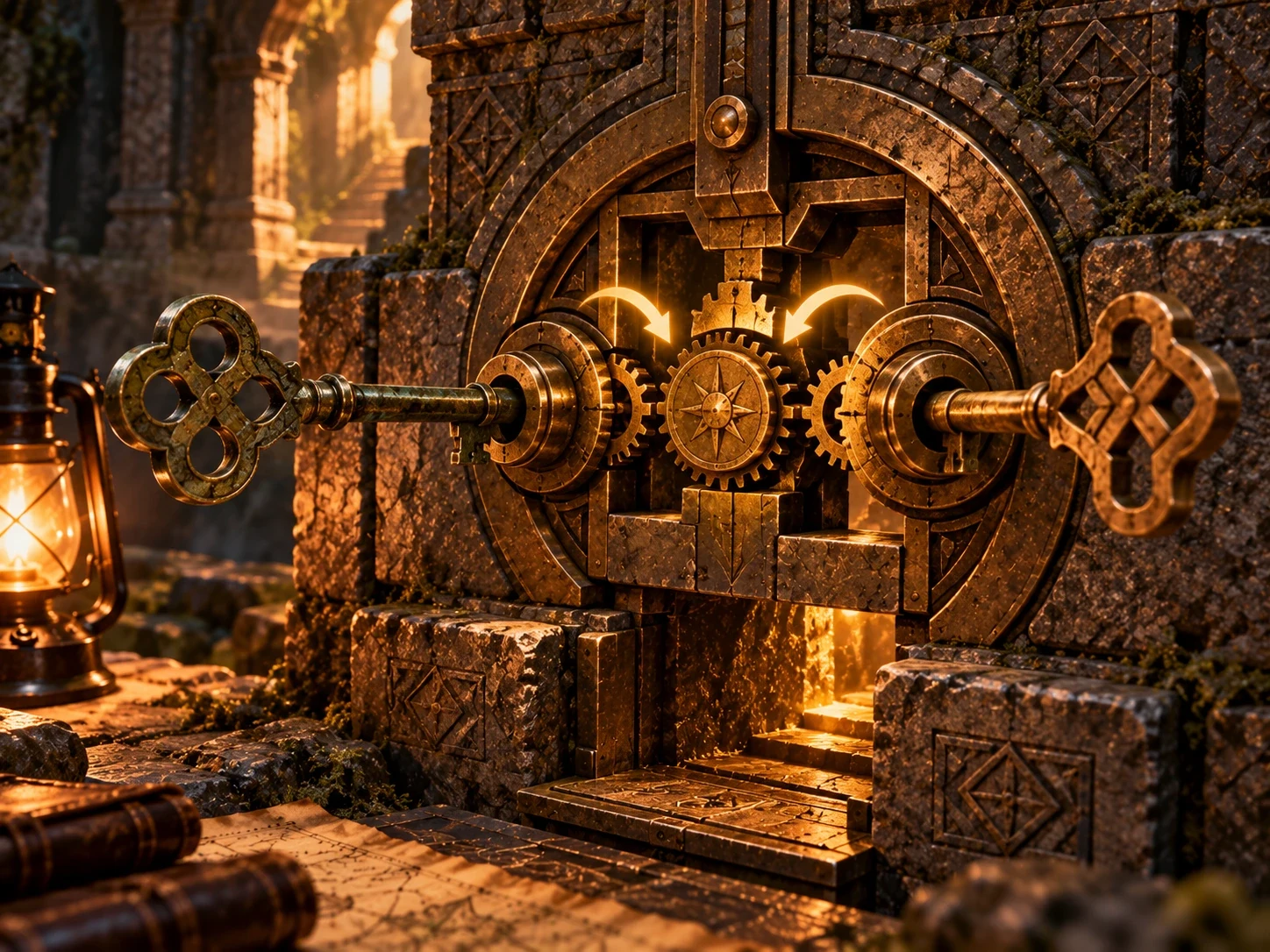
When a hunt gives you matched objects, inspect them for complementary mechanical roles before treating them only as identifiers or collectibles.
Read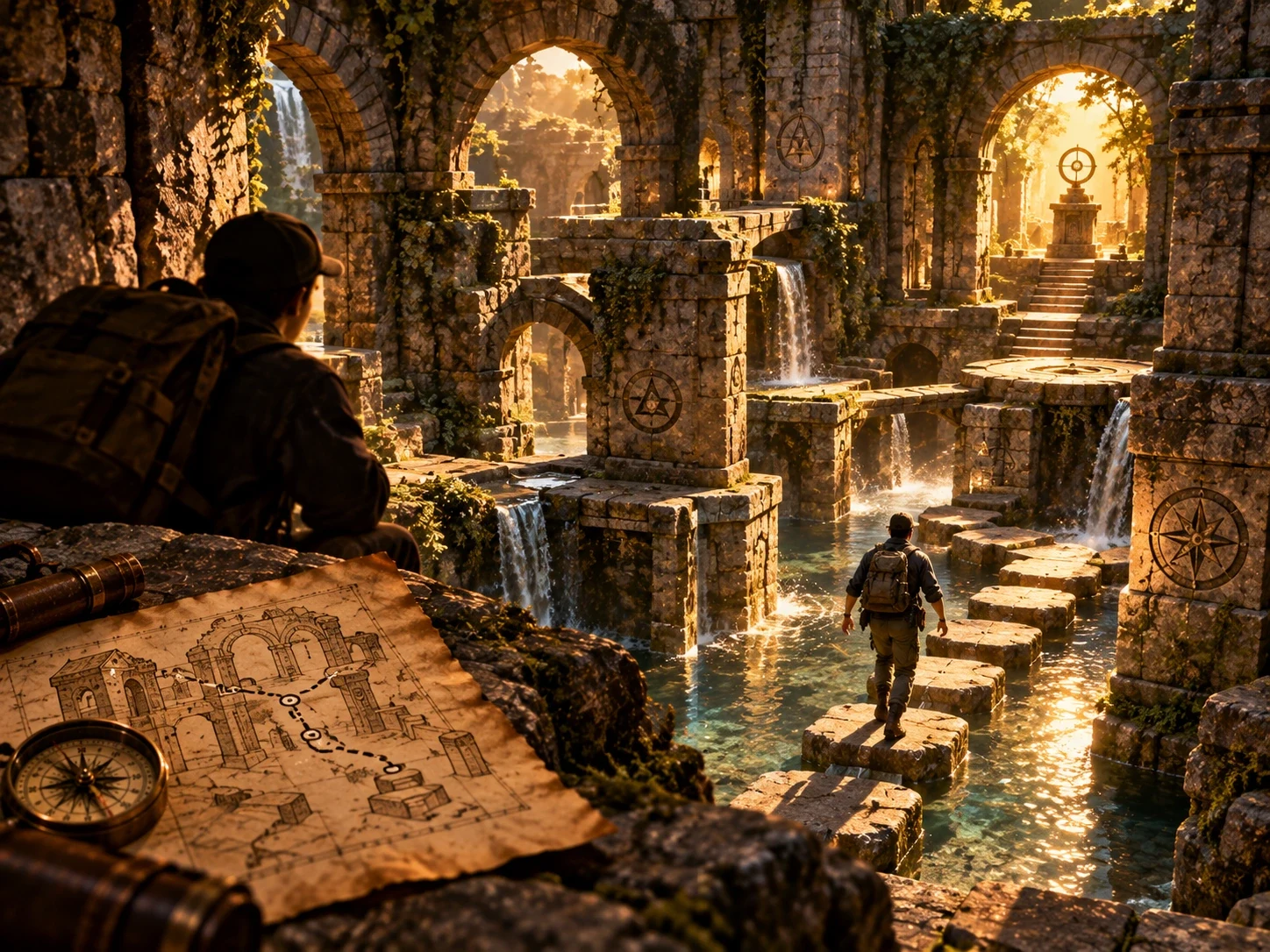
Some puzzles require participation. Once a reference is identified, ask what the solver is expected to do inside that framework.
Read
Strong puzzles often use AND logic. Track which conditions must be true simultaneously instead of treating every clue as an independent alternative.
Read
When safe and authorized, test whether a puzzle object is layered. Internal alignment or removable parts may conceal information.
Read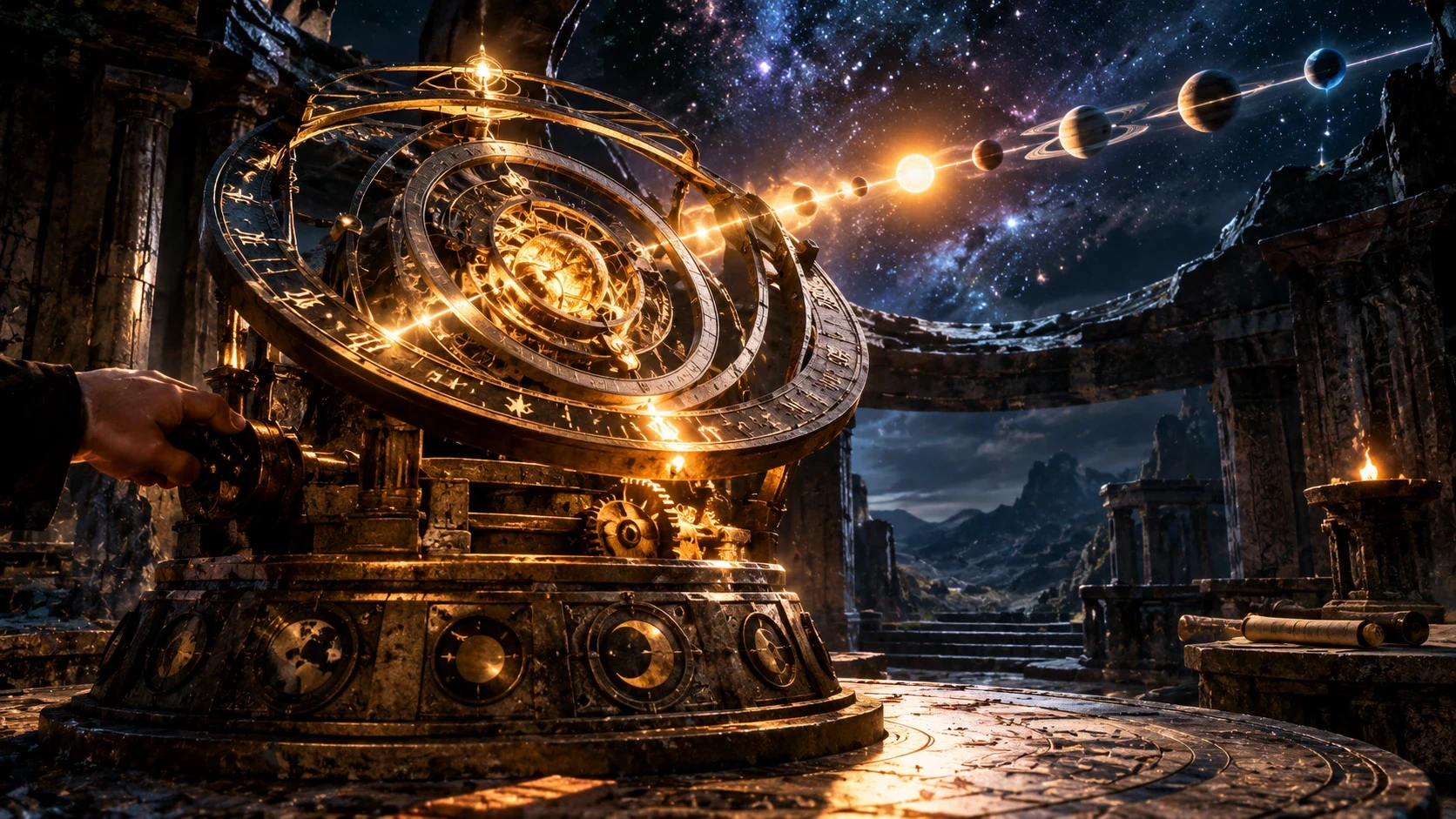
If an object begins, stops, or changes behavior at a specific celestial event, treat timing as part of the mechanism rather than background story.
Read
Encoded information may specify an action sequence. Music, rhythm, button order, footsteps, colors, or gestures can function like a combination lock.
Read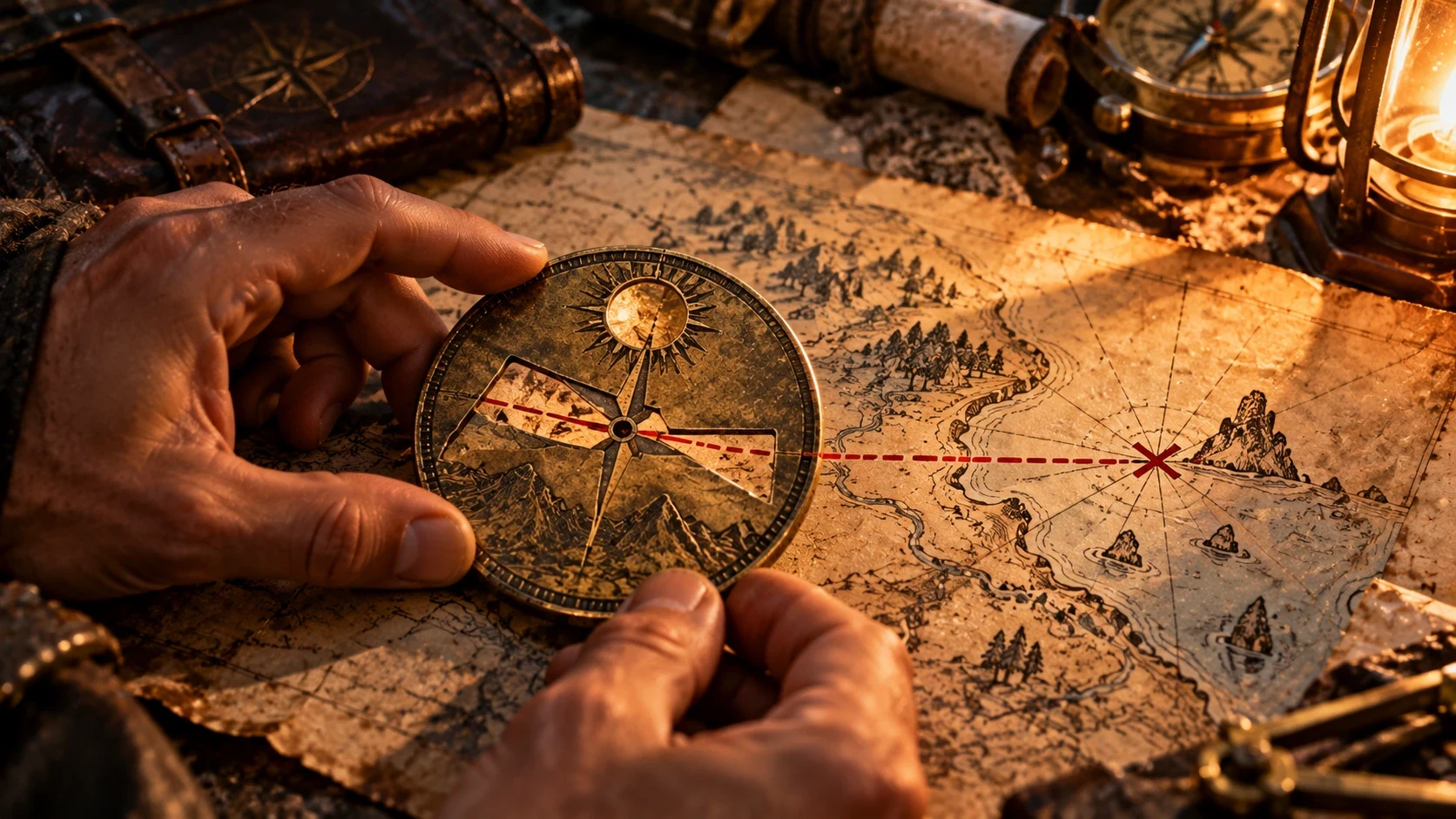
Objects with holes, notches, markings, or sighting features may be field instruments. Identify their purpose before aligning them.
Read
Perspective can conceal real structure. Shift viewpoint, lighting, depth cues, and background alignment when a scene seems impossible.
Read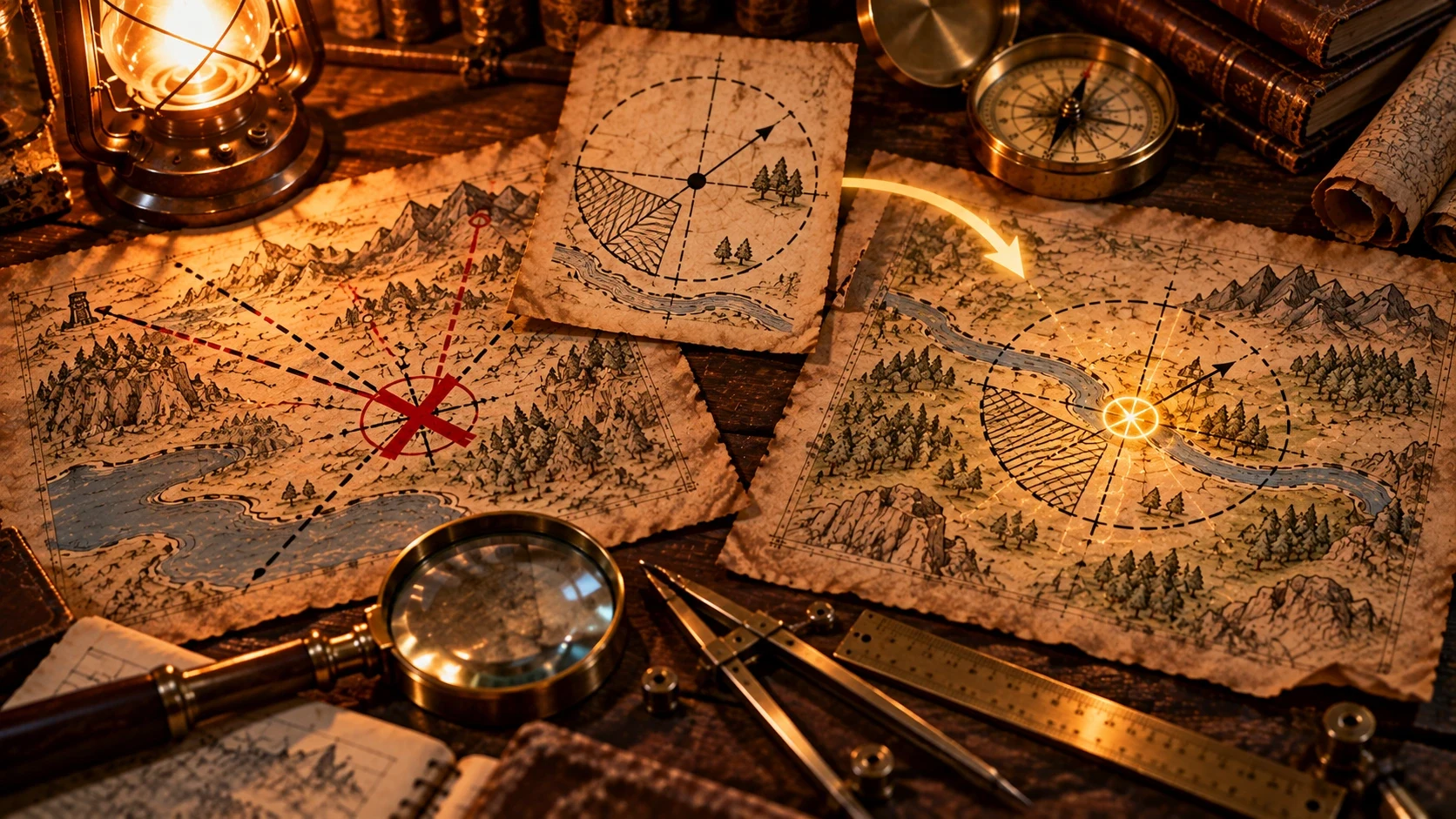
When a near-solve fails, ask what constraint is missing. A systematic offset can reveal an omitted instruction, wrong scale, or incomplete key.
Read
Light can be a measuring tool. Test apertures, lenses, shadows, reflections, and solar position when the clue supports it.
Read
An inscribed object may be more than text. Test whether its shape, holes, edges, transparency, or mounting points imply a second use.
Read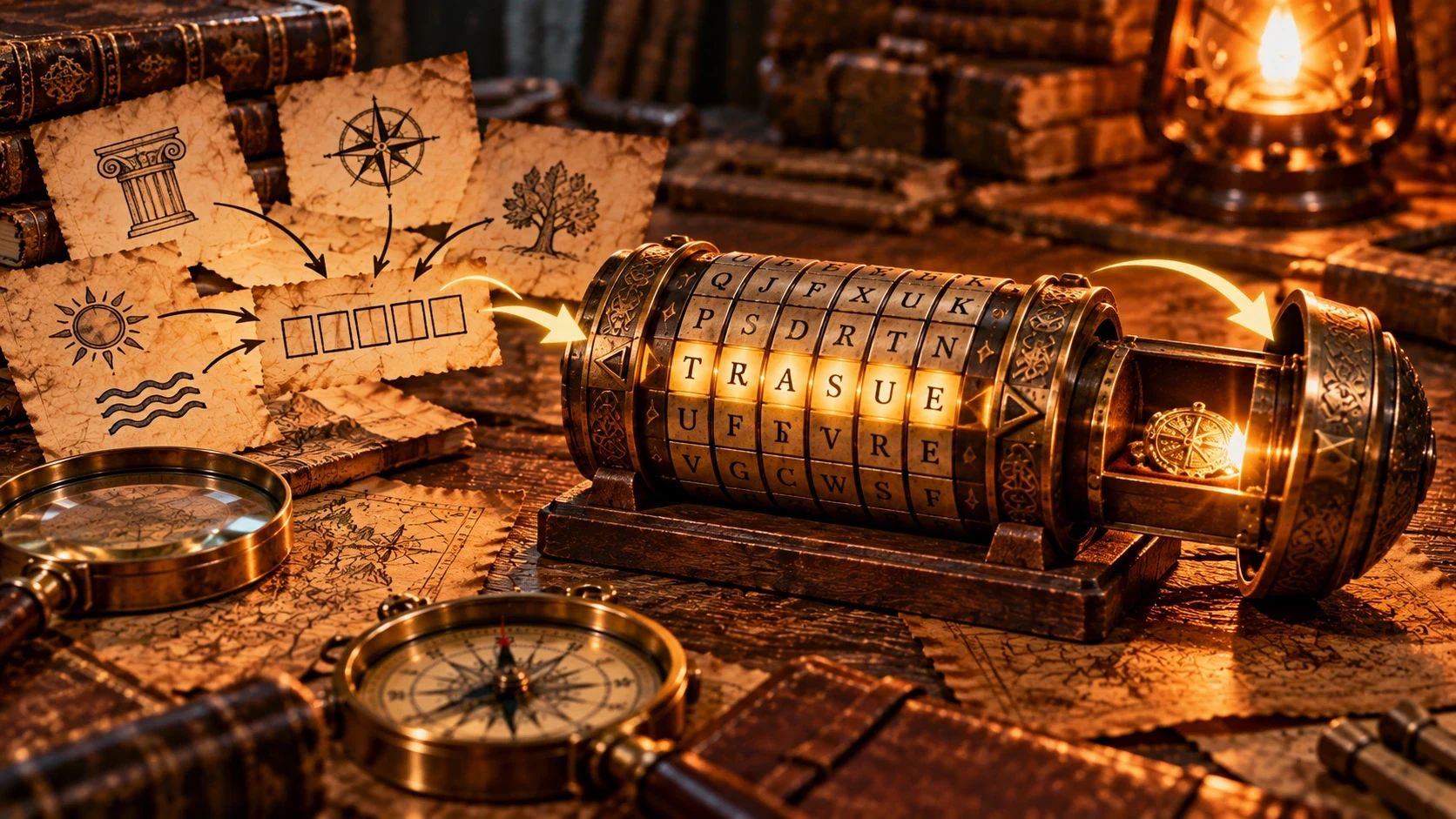
A final answer may be an input rather than a destination. Ask what device, lock, ordering, or action the answer is meant to operate.
Read
Some clues are operating instructions. On site, test what changes with water, weight, pressure, alignment, movement, or light.
Read
If a clue stresses twins, pairs, mirrors, counterparts, or divided objects, test whether information is split across both.
Read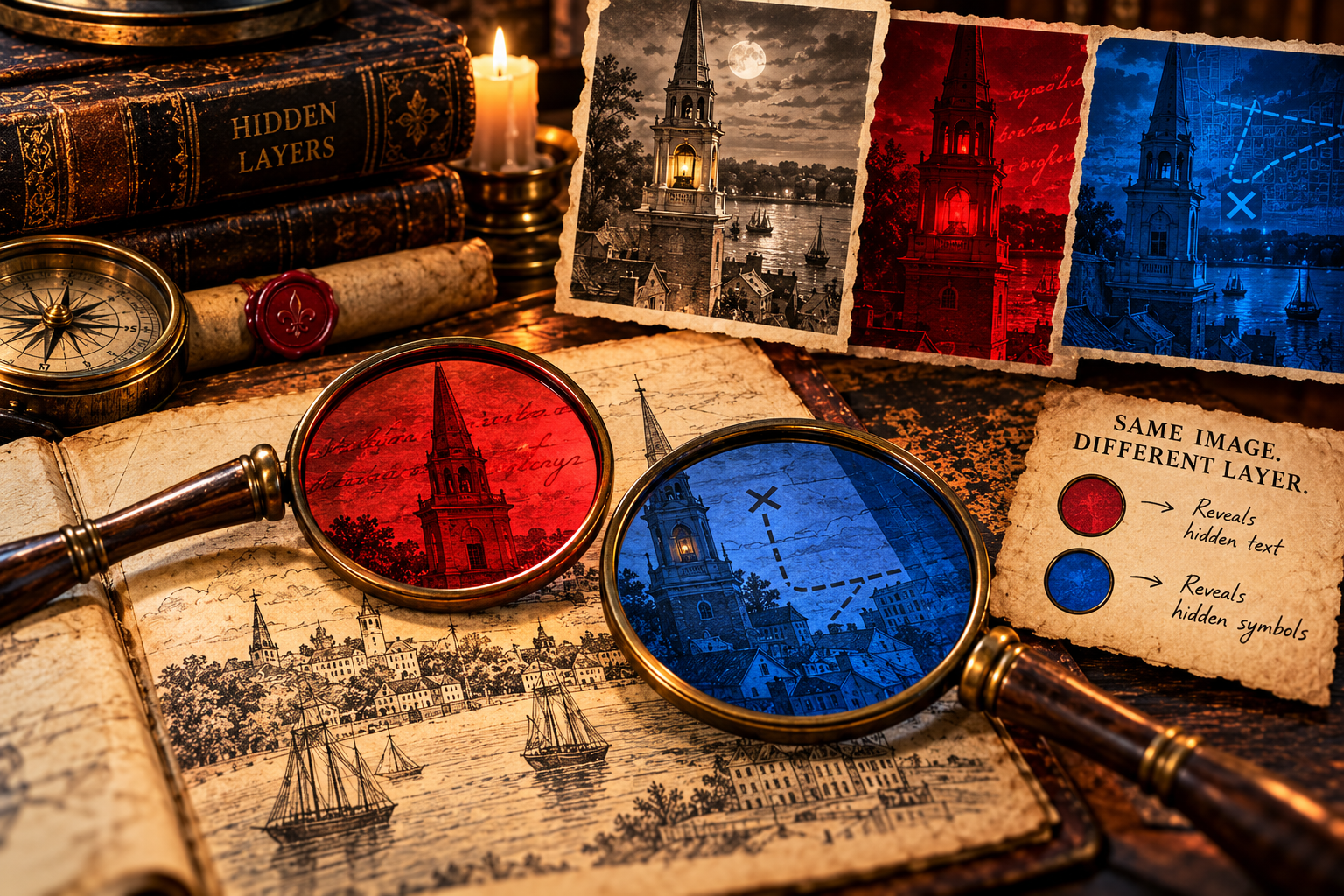
When a visual clue appears noisy or incomplete, test filtering, overlays, color channels, transparency, rotation, and alternate viewing conditions.
Read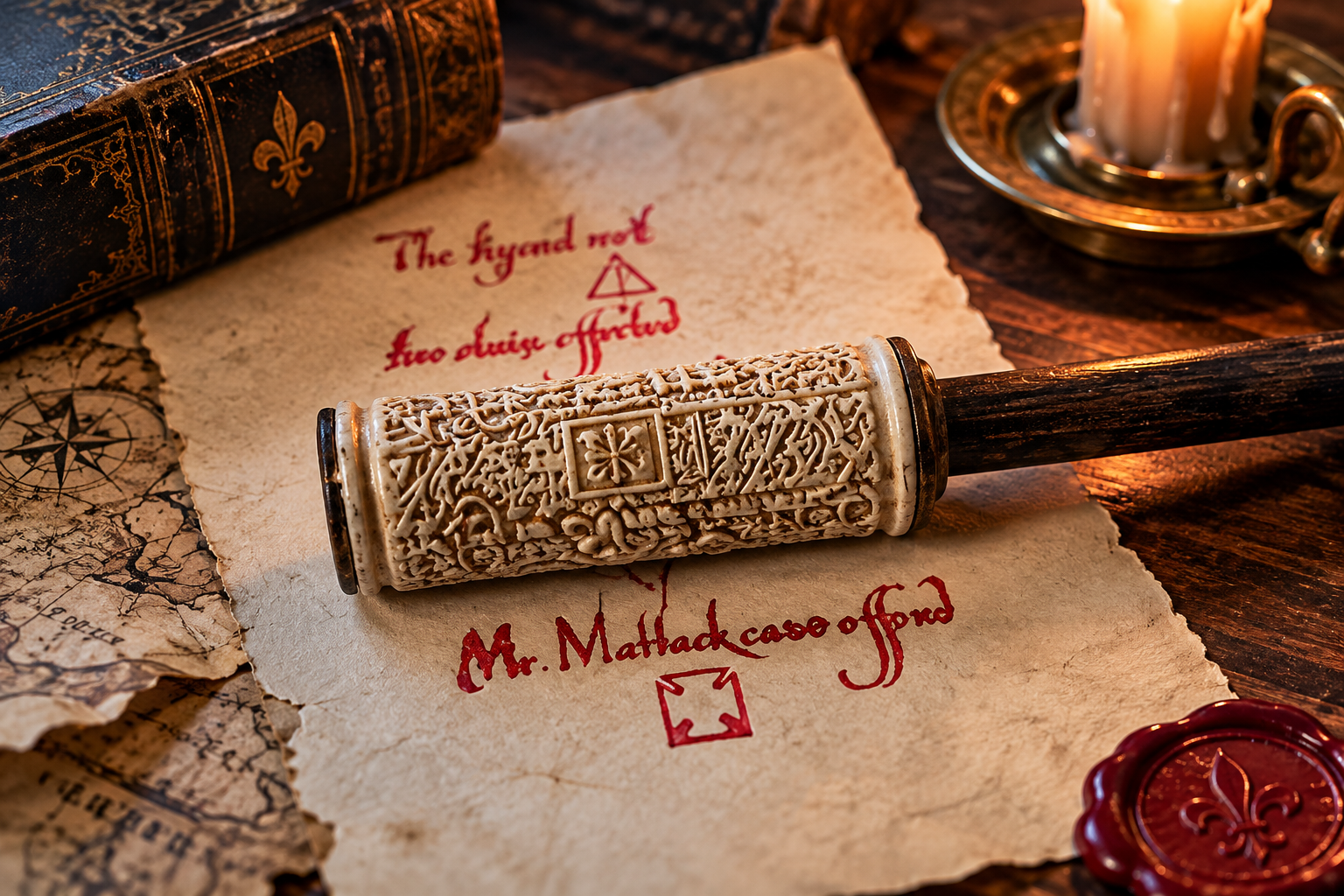
When markings on a three-dimensional object look incomplete, test whether motion, contact, rotation, or transfer is part of the reading method.
Read