How the “Big W” Tree Formation Confirmed the Mysterious Stranger Site
A distinctive W-shaped natural feature serves as the final visual confirmer near the solitary stone.
ReadTopic
A distinctive W-shaped natural feature serves as the final visual confirmer near the solitary stone.
Read
The clue describes a physical structure through material-versus-appearance wordplay.
Read
A deliberately indirect phrase is translated into a real place name through synonyms/associations.
Read
Successive verbal instructions transform an intermediate number into the target street number.
Read
A phrase sends the solver to a photographed number on Blaine’s arm.
Read
A transformed phrase is interpreted semantically as Los Angeles.
Read
A later television clue was designed to be sufficient on its own to locate the treasure.
Read
The reduced instruction includes a southeast directional component.
Read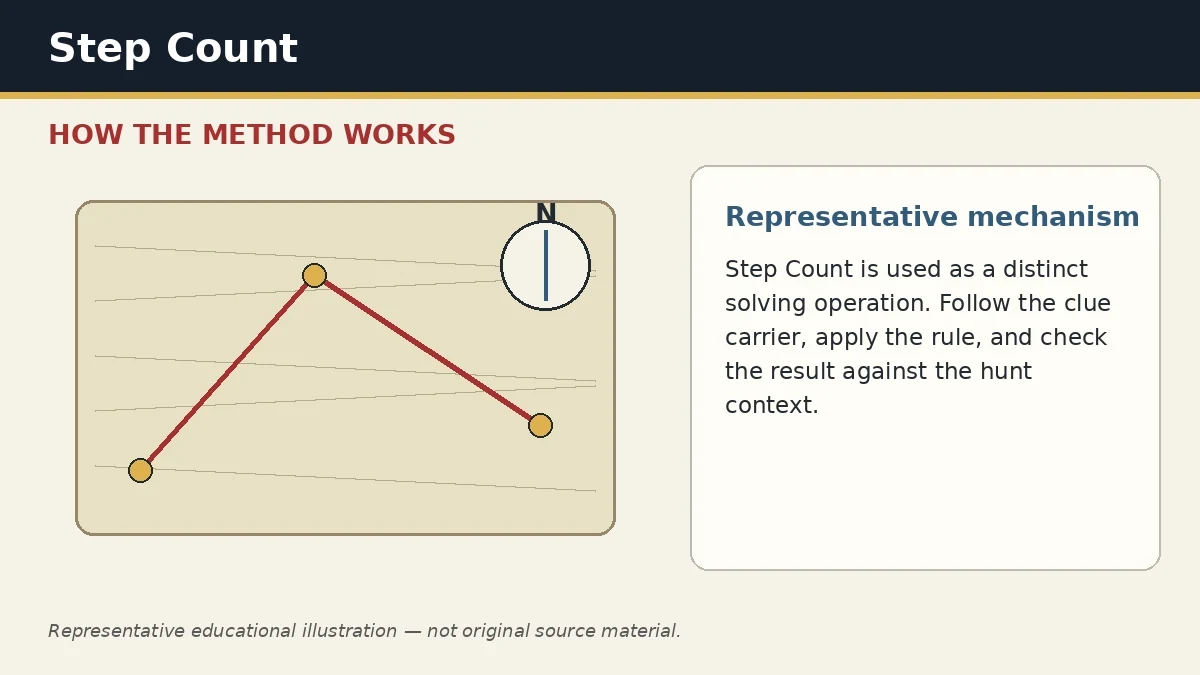
The final instruction set includes a count that maps to a staircase at the target area.
Read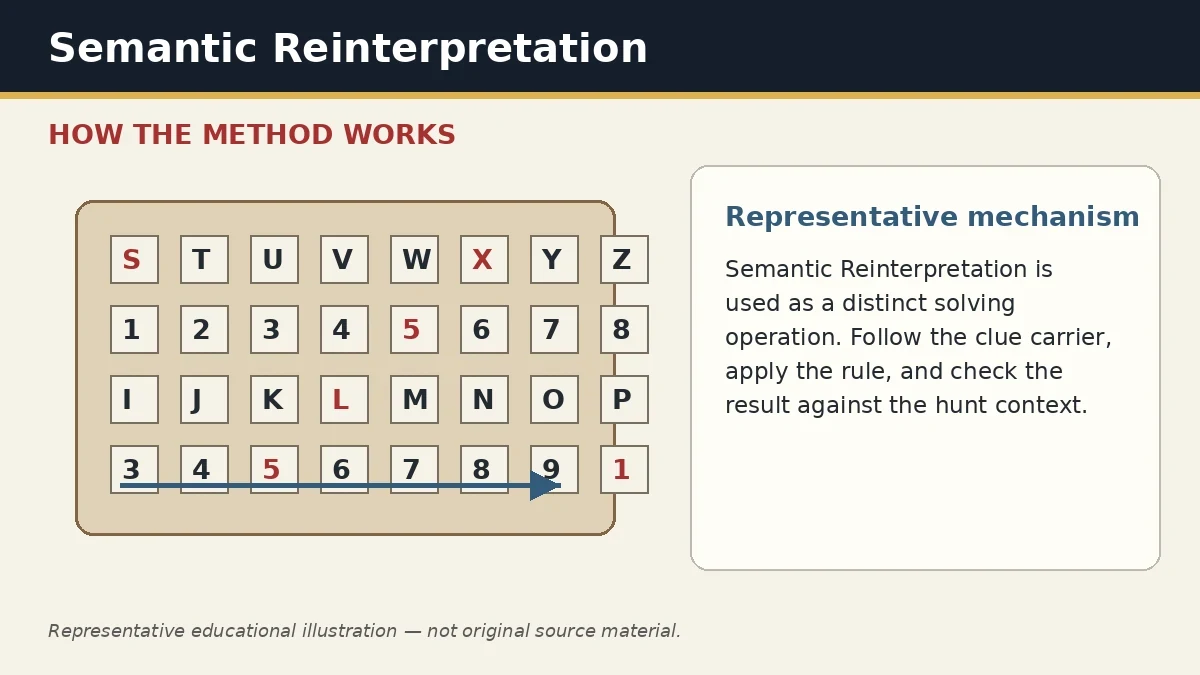
The transformed phrases are not always literal place names; they must be interpreted conceptually.
Read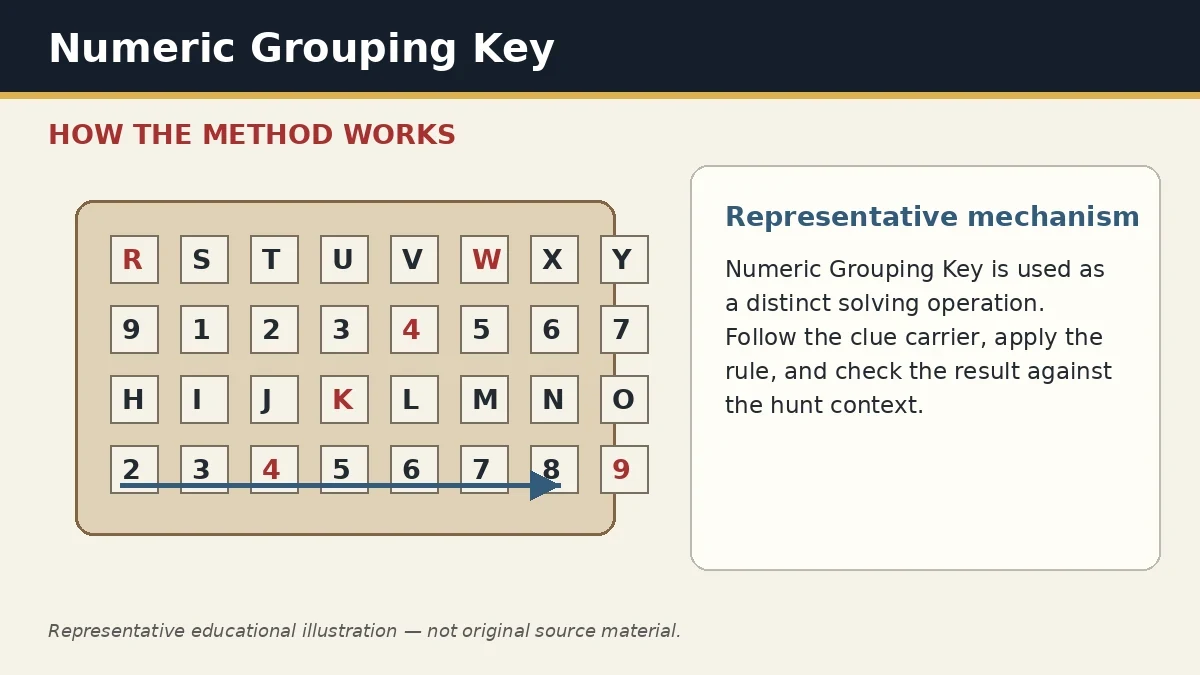
Number strings on the final page supply the grouping pattern used in the reduction.
Read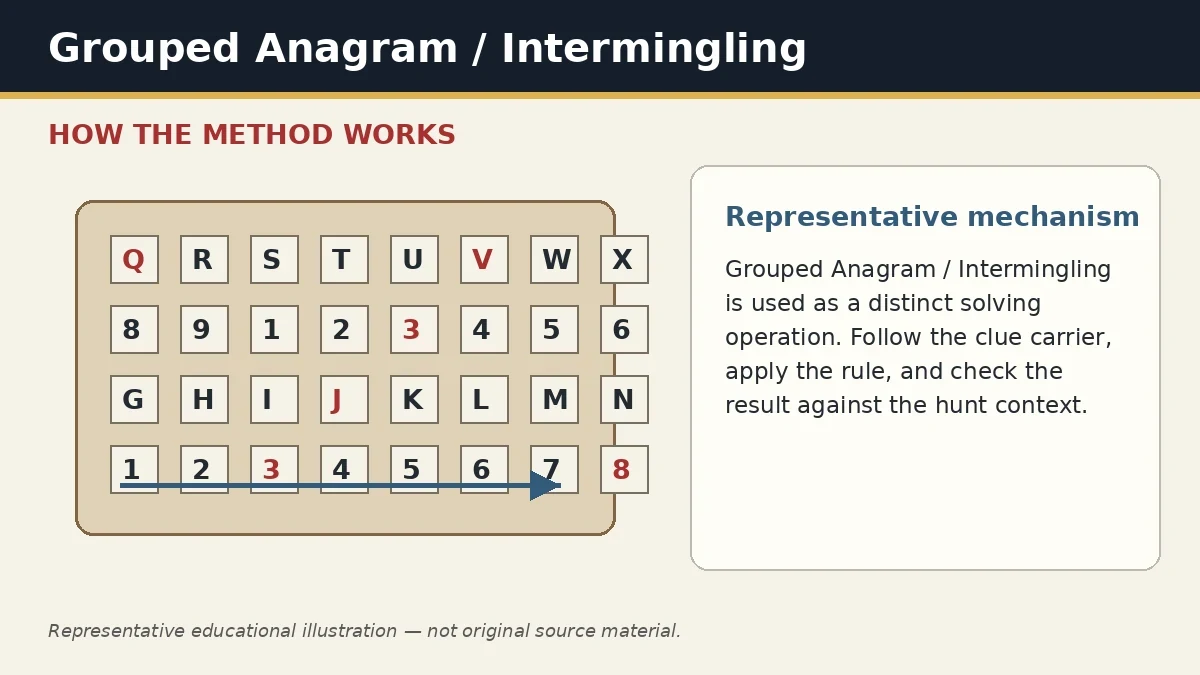
A clue about “intermingle” plus numerical grouping directs groups of words to be recombined.
Read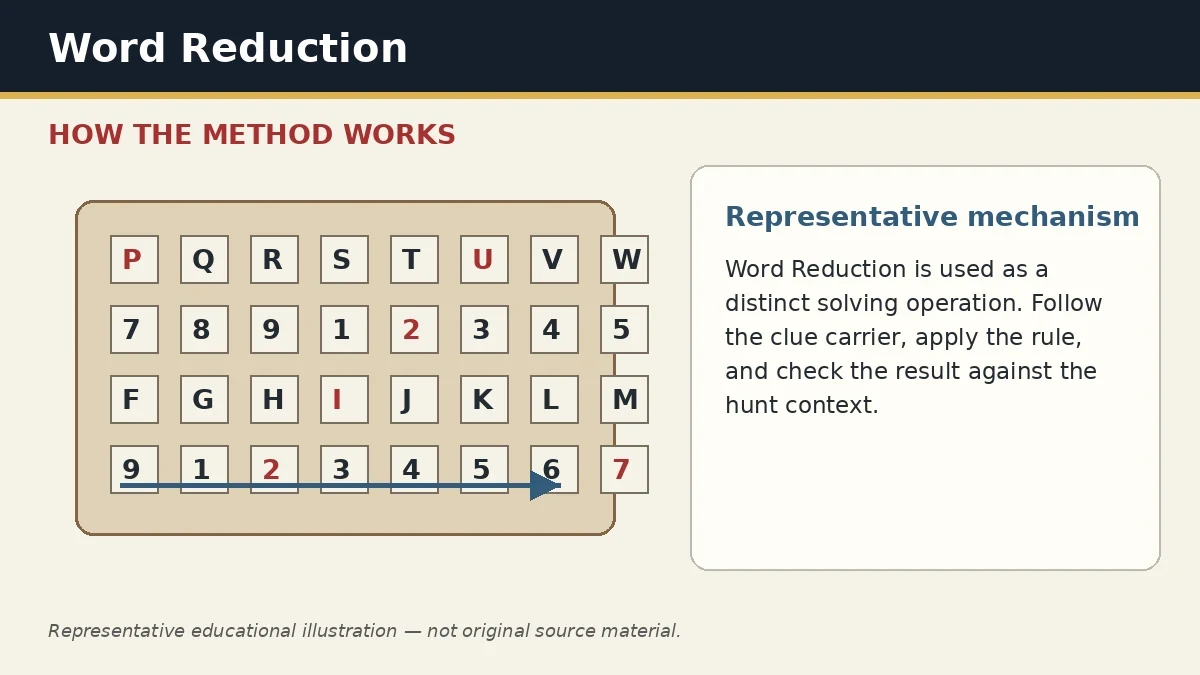
After following the embedded instructions, only selected words remain.
Read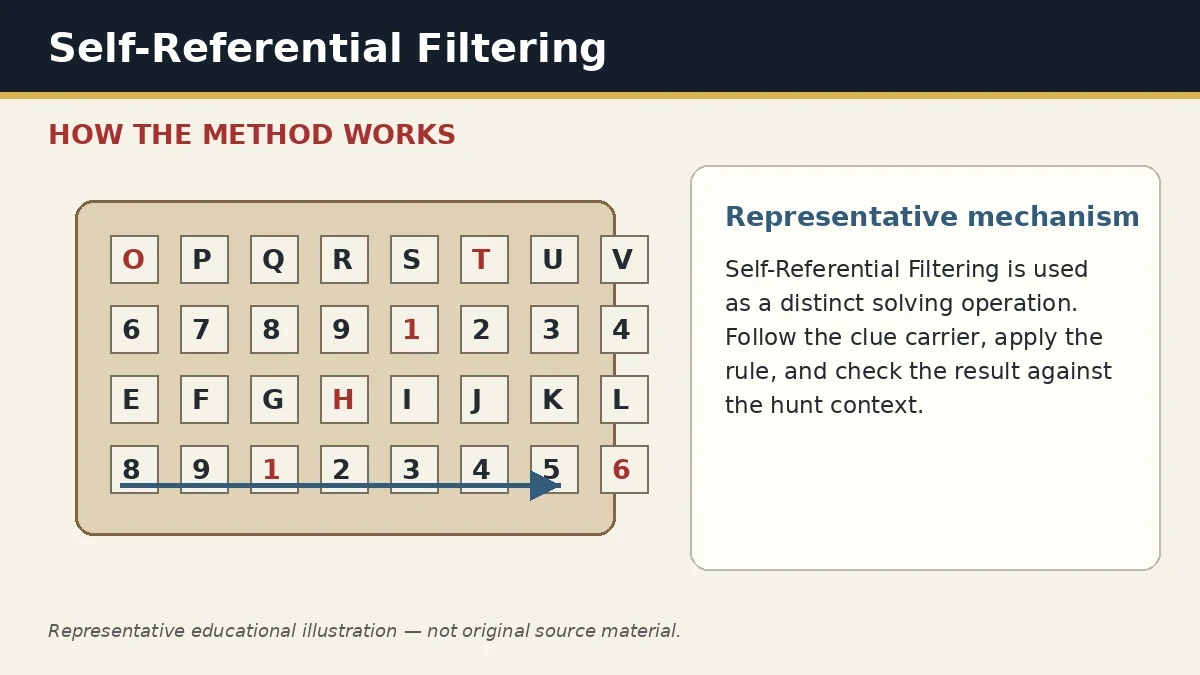
The decoded corpus includes statements that direct filtering and rejection.
Read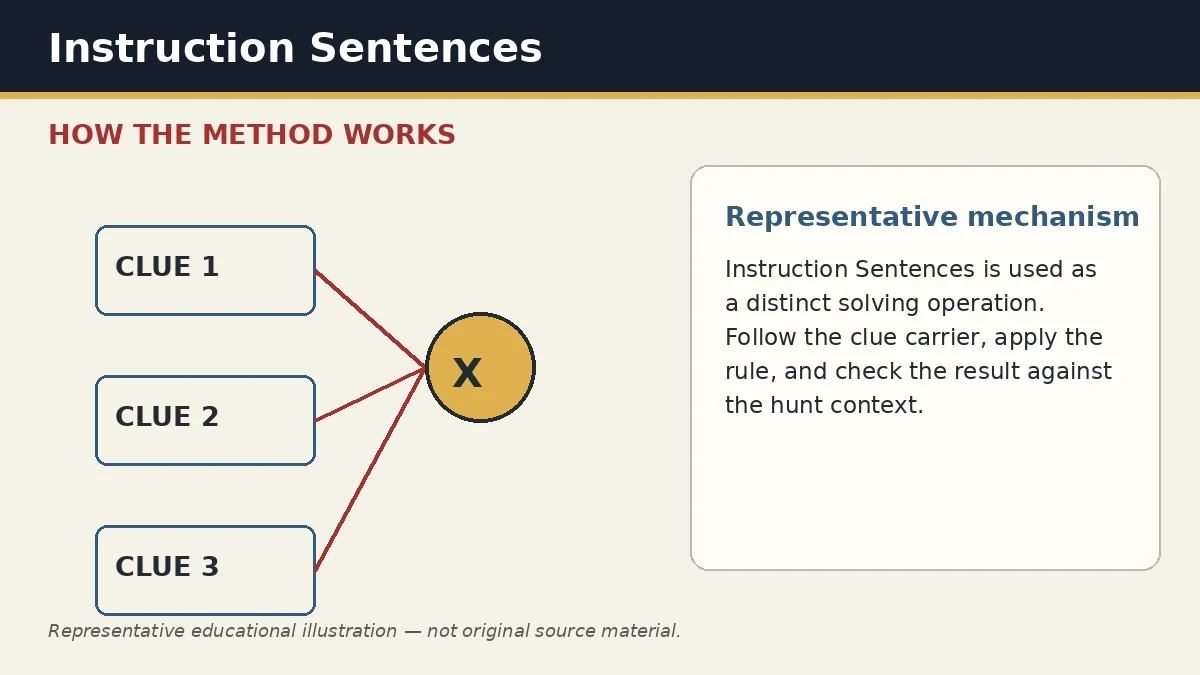
The first major decode yielded 41 strange sentences.
Read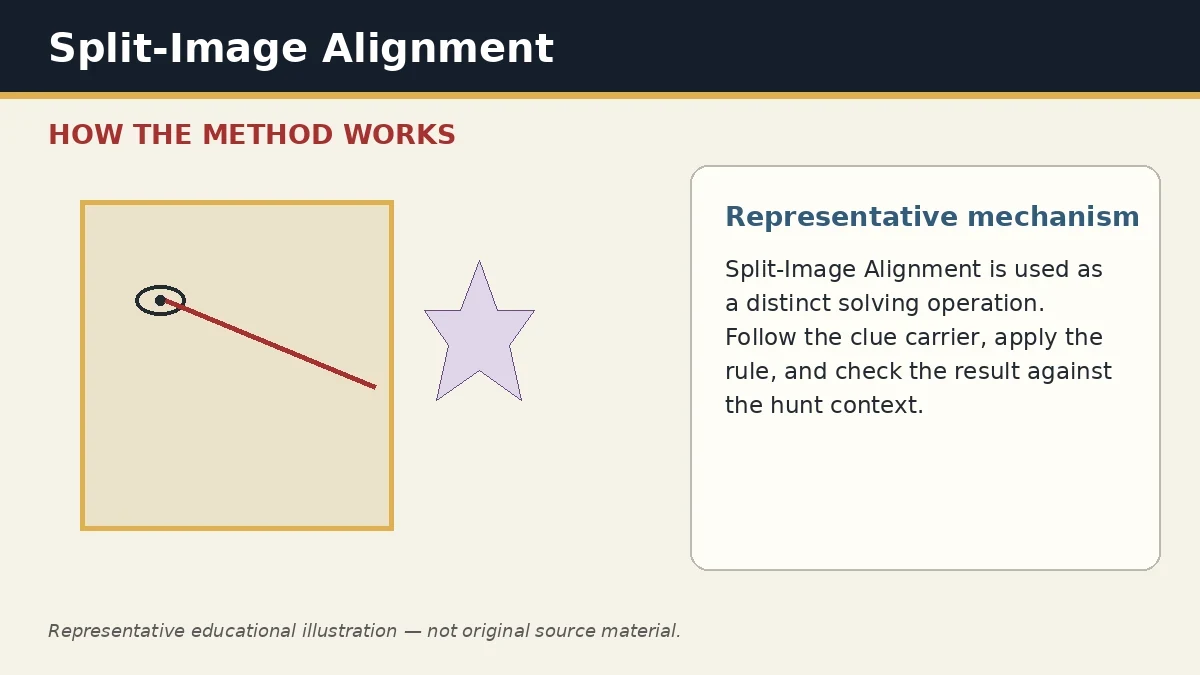
Some codes required aligning separated visual pieces.
Read
Solvers had to distinguish small visual differences among repeated designs.
Read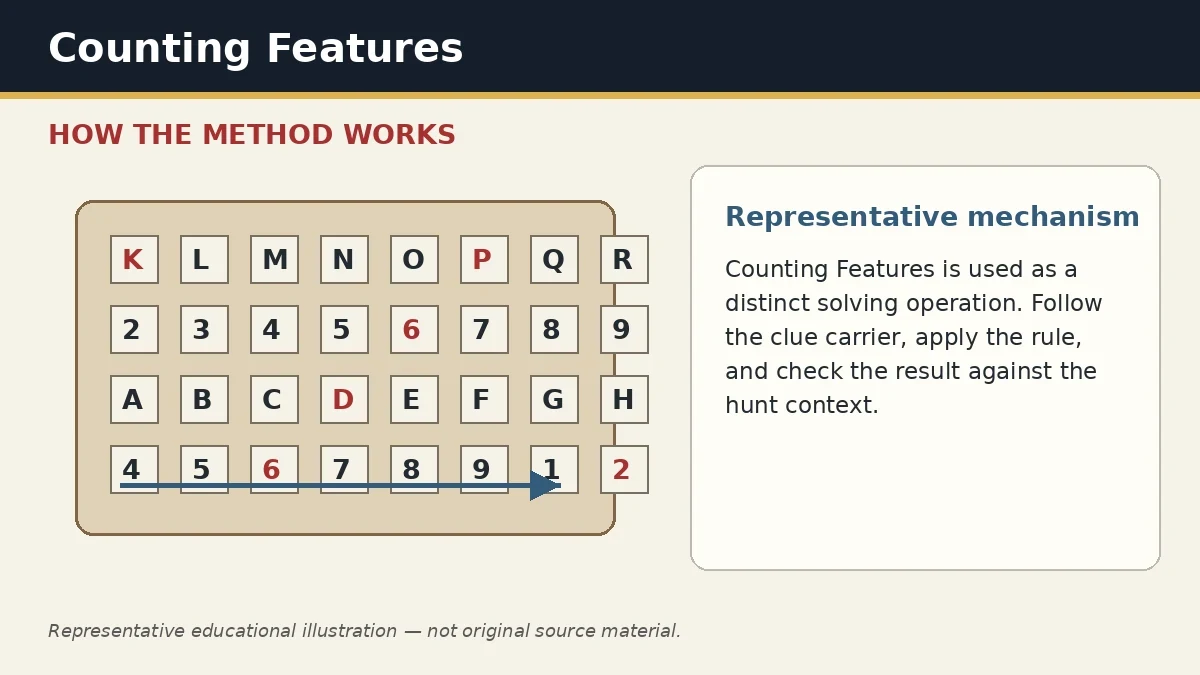
Some visual codes required counting repeated physical features.
Read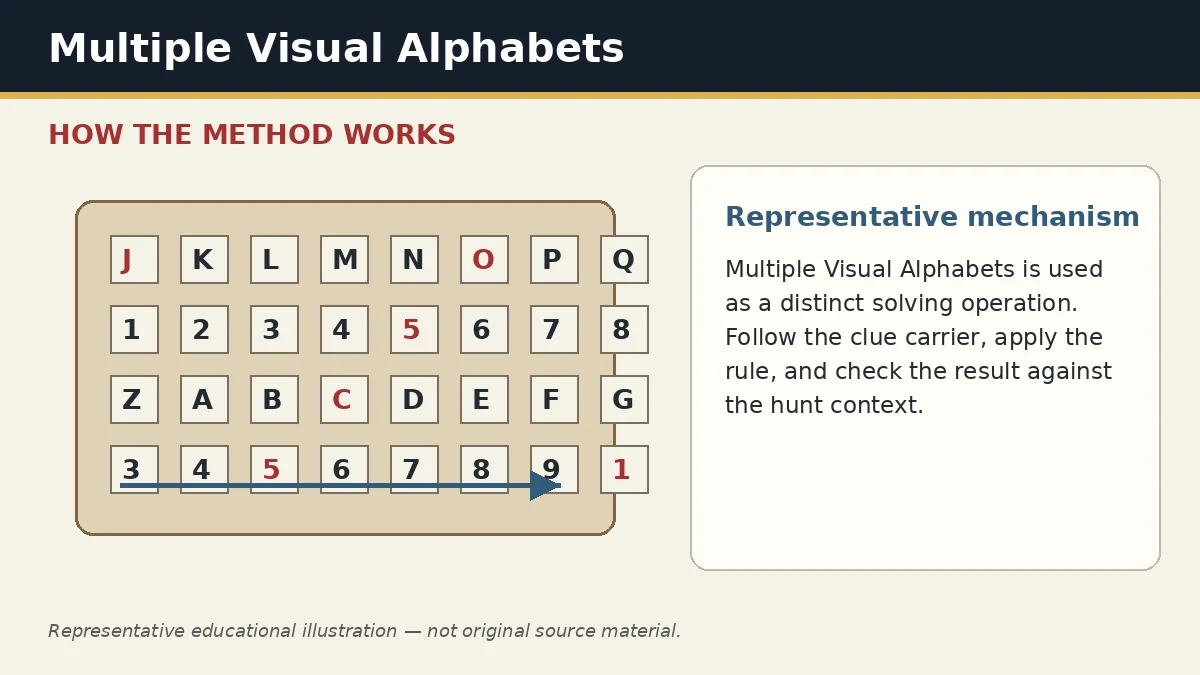
The hunt used 15 distinct visual code types rather than one repeated substitution alphabet.
Read
The essential puzzle material was distributed through decorative-looking marginal elements.
Read